
How buddy ministry works in disability inclusion
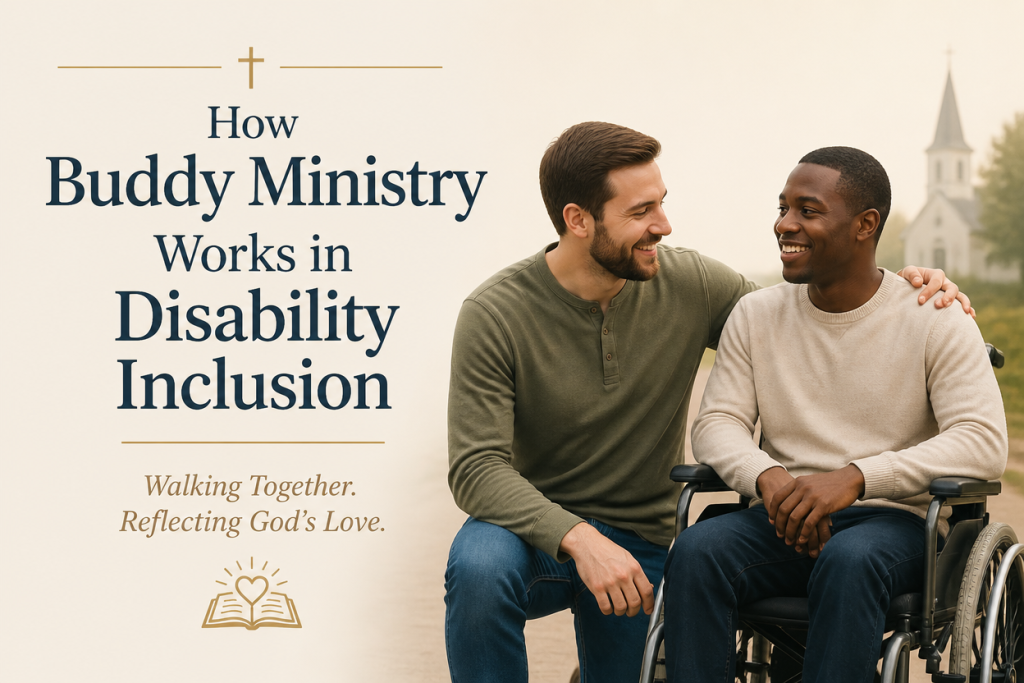
How buddy ministry works in disability inclusion is ultimately a question about whether the church will practice embodied, relational welcome rather than aspirational language. In many congregations, disability inclusion is affirmed in principle but collapses under the weight of ordinary constraints: volunteer uncertainty, uneven supervision, and a sincere fear of doing harm. Buddy ministry is […]
Why disability ministries reject pity-based charity
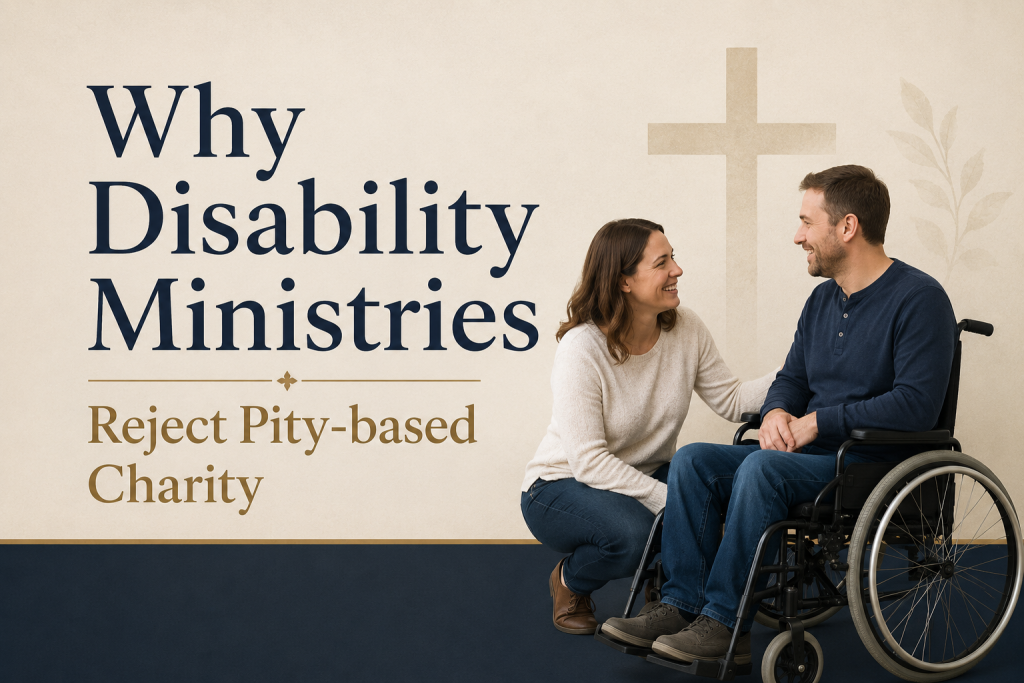
Why disability ministries reject pity-based charity is not a matter of branding or sensitivity training. It is a theological and pastoral judgment: pity-based giving distorts the image of God in the person with a disability, and it quietly trains the giver to see themselves as savior rather than steward. Christian donors often feel the tension. […]
What Scripture says about disability and dignity

What Scripture says about disability and dignity is not a question for specialists. It is a question that clarifies whether the Church will treat image-bearing people as neighbors to be honored or as problems to be managed. For Christian donors, that question becomes practical: the ministries we fund will, over time, teach congregations what to […]
What Christian inclusion means in disability ministry
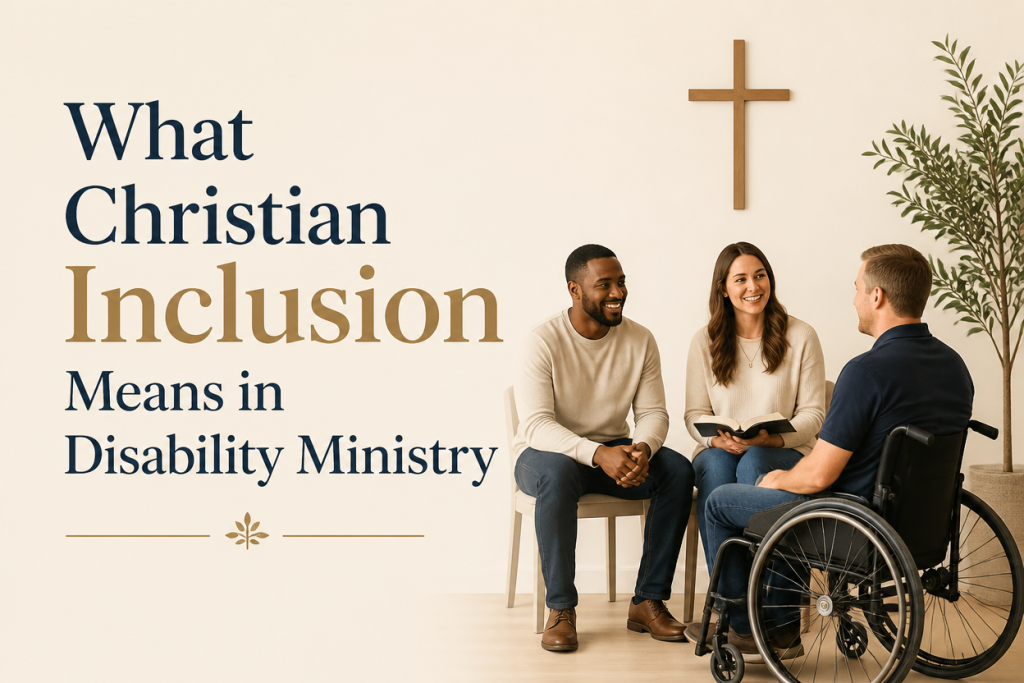
What Christian inclusion means in disability ministry is not a branding question. It is a discipleship question: whether the church will recognize and receive the image of God where modern society often assigns burden, inconvenience, or invisibility. For Christian donors, inclusion is also a stewardship question. The ministries we fund do not only deliver services; […]
What disability ministry sermons and teaching cover
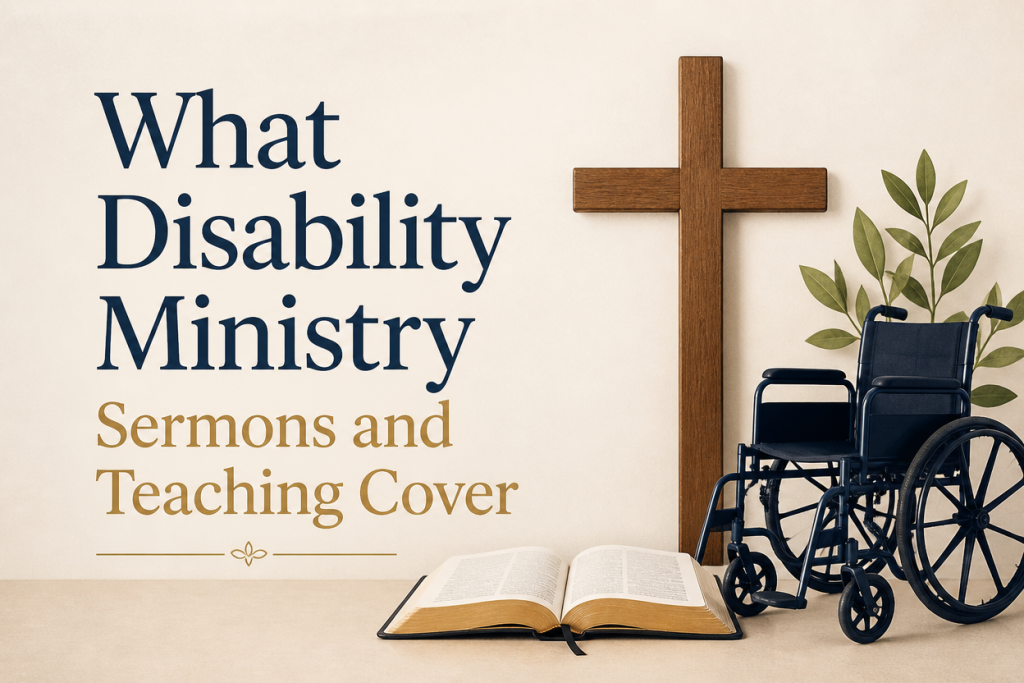
What disability ministry sermons and teaching cover is not a secondary question for the church; it is a test of whether our doctrine of the imago Dei, our Christology, and our ecclesiology reach the people most likely to be treated as an appendix. For Christian donors, it is also a due-diligence question. A ministry’s public […]
How disability ministries partner with families spiritually

How disability ministries partner with families spiritually is not a soft add-on to “real” care. It is the core question for Christian donors who want their giving to strengthen the body of Christ rather than substitute for it. When disability is present in a household, parents and siblings often carry a complex mixture of love, […]
Why legacy giving helps disability ministries long-term
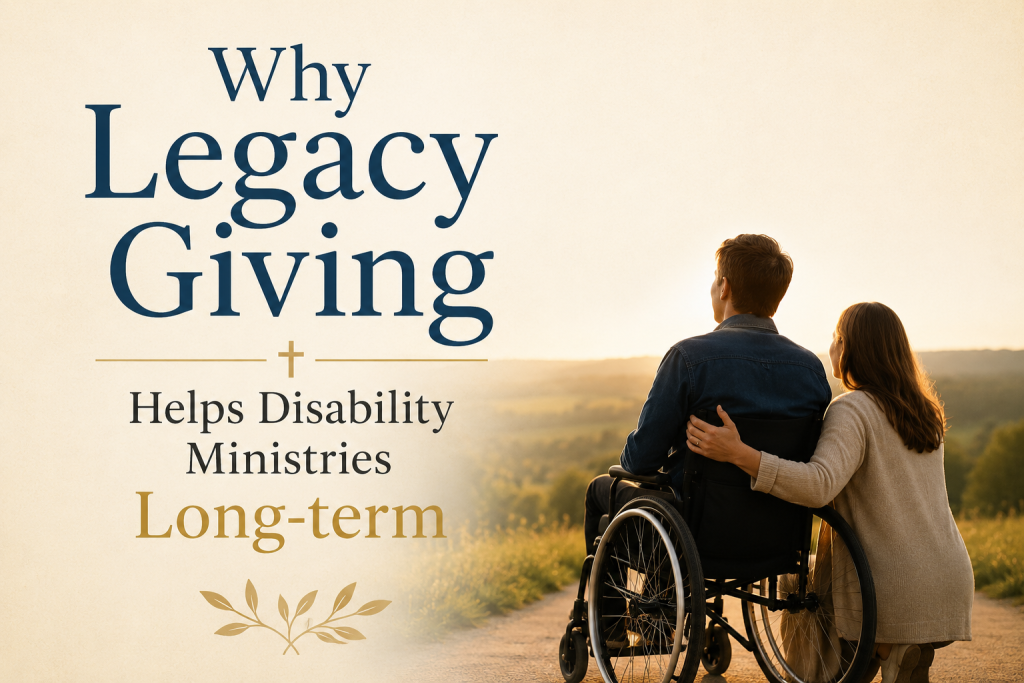
Why legacy giving helps disability ministries long-term is not primarily a fundraising question. It is a discipleship question about whether our love of neighbor will outlast our own lifetime, and whether our stewardship will be ordered toward the people whose needs do not fit within a budget year. Disability ministry often requires decades of patient, […]
How disability ministries honor dignity and the image of God

Disability ministries honor dignity and the image of God when they treat disability not as a problem to be managed but as a human reality carried by image-bearers whom Christ receives. Donors often sense the stakes intuitively: ministries can either reinforce pity and dependency or cultivate belonging, agency, and spiritual formation. The difference is not […]
How to choose a disability ministry to support

How to choose a disability ministry to support is not primarily a question of sentiment; it is a question of faithful stewardship. Christian donors often feel the weight of competing needs, competing narratives, and the limits of any one gift. Yet Scripture does not treat weakness and dependence as peripheral realities. The risen Christ still […]
How donors can fund disability ministry capital projects
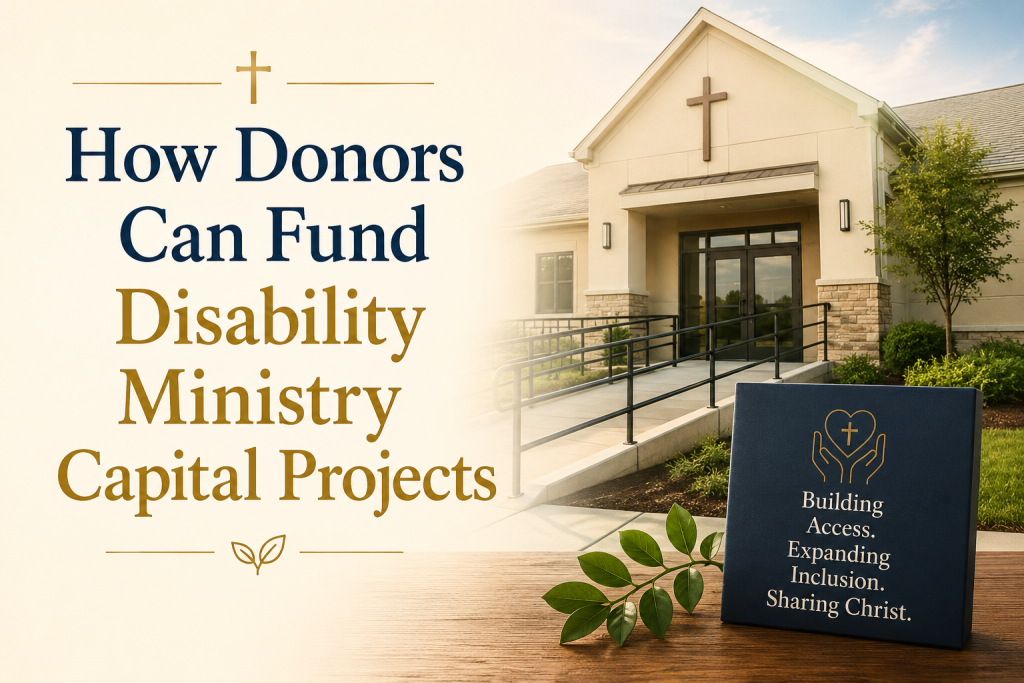
How donors can fund disability ministry capital projects is not primarily a question about buildings. It is a question about whether the church will embody the welcome of Christ in spaces that are truthful about human limitation, suffering, and dignity. Capital projects can either reinforce exclusion through thoughtless design, or they can quietly proclaim that […]