
Why rescue missions limit cash handouts to guests is not primarily a question of suspicion; it is a question of stewardship. Christian donors understandably want mercy that is immediate and personal. Rescue missions are charged with a harder task: offering mercy that is immediate, personal, and ordered toward durable restoration rather than short-lived relief.
Christians genuinely disagree about what help should look like in a moment of crisis. Yet most rescue missions have learned that unrestricted cash—given at the doorway, in a lobby, or as “gas money”—often functions less like compassion and more like a catalyst inside a fragile ecosystem shaped by trauma, addiction, exploitation, and scarcity. Limits on cash are typically one part of a larger care strategy that tries to reduce harm while preserving dignity.
Cash is spiritually and clinically complicated in street economies
The mission is not merely to meet a need but to avoid multiplying harm
Scripture commands generosity without ambiguity: “If you have two tunics, share with him who has none” (Luke 3:11). Scripture also commands discernment. Proverbs is unsentimental about the difference between relief that strengthens and giving that corrodes responsibility. Rescue missions live inside that tension every day.
In many cities, the people a rescue mission serves are navigating overlapping pressures: untreated mental illness, substance use disorder, coercion by partners or traffickers, and predatory “debts” within encampments. Cash moves quickly through those pressures. It can be stolen, extorted, gambled, or demanded by someone stronger. A policy that limits cash handouts is often a protection against the invisible violence that follows money in a street economy.
Substance use disorder changes the moral math of immediate cash
Donors sometimes frame cash limits as a failure of trust. Missions more often frame them as a refusal to cooperate with bondage. Addiction is not merely bad behavior; it is a disorder with powerful compulsions, impaired control, and high mortality risk. The U.S. Centers for Disease Control and Prevention reports more than 100,000 drug overdose deaths in a recent year, a level of loss that has reshaped how front-line ministries think about risk in moments of giving CDC.
That does not mean every guest is using substances, or that missions should treat guests with suspicion. It does mean that when a ministry gives cash with no relationship, no plan, and no accountability, it can become an accelerant for self-harm or overdose. Policies that limit cash are an attempt to keep mercy from becoming complicity.
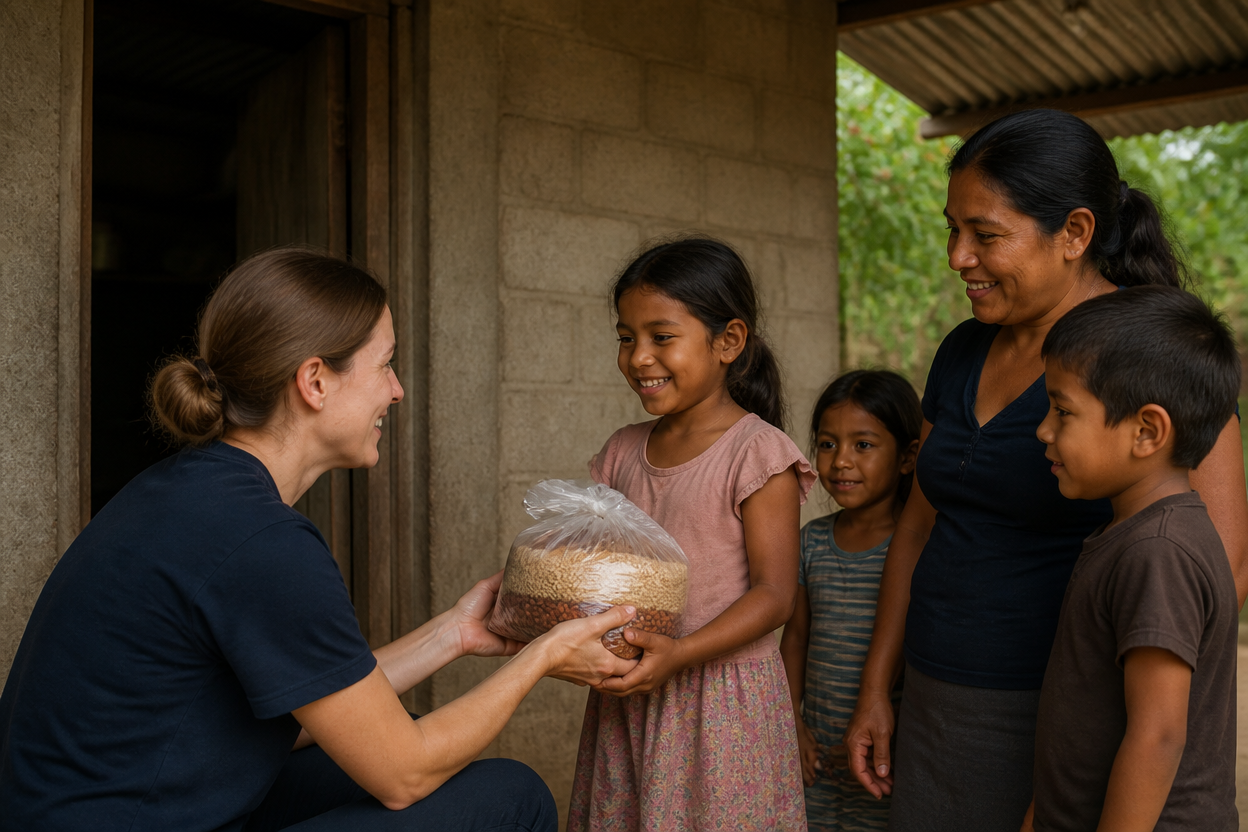
Most missions still help with essentials but do it in targeted ways
Replacing cash with goods and services can preserve agency without fueling crisis
Limiting cash does not mean limiting help. It often means changing the form of help. A transit pass, a purchased bus ticket, a prescription copay paid directly to a pharmacy, a meal, or a nights-long shelter bed can meet the same underlying need while reducing the likelihood of diversion or coercion.
What this means in practice is that many missions aim to keep “value transfer” close to the purpose of the gift. Donors who want to understand a mission’s posture should ask a simple question: if the mission does not give cash, what does it give instead, and how quickly can it respond to urgent need?
Healthy boundaries can be a form of respect rather than control
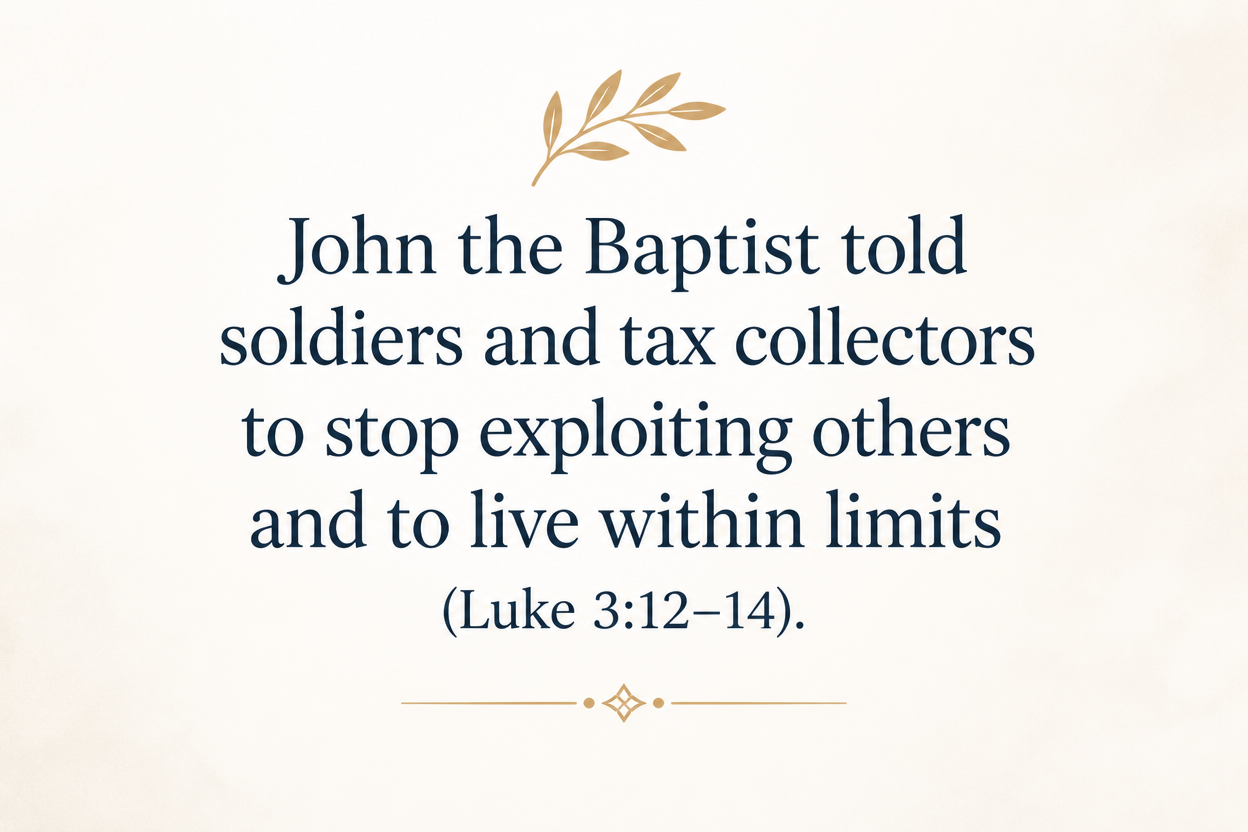
There is a caricature that boundaries are cold. In biblical terms, boundaries can be truthful. John the Baptist told soldiers and tax collectors to stop exploiting others and to live within limits (Luke 3:12–14). Limits are not opposed to compassion; they can be one way compassion refuses to lie.
The When Helping Hurts framework, articulated by Steve Corbett and Brian Fikkert, has helped many Christian ministries see that certain forms of aid can unintentionally reinforce dependence or undermine local capacities, even when donors and volunteers mean well When Helping Hurts. Rescue missions often apply this insight at an individual level: help should strengthen, not simply soothe, and it should not underwrite patterns that keep a person stuck.
Cash policies are also about safety, fraud prevention, and moral hazard
Front doors attract manipulation because need is real and stories work
Rescue missions are among the most visible ministries in a city. They become a natural point of contact not only for people in crisis, but also for people who have learned to work the seams of generosity. Many mission leaders will say privately that the most persuasive appeals are not always the truest ones, and that repeated cash gifts can create a predictable extraction pattern.
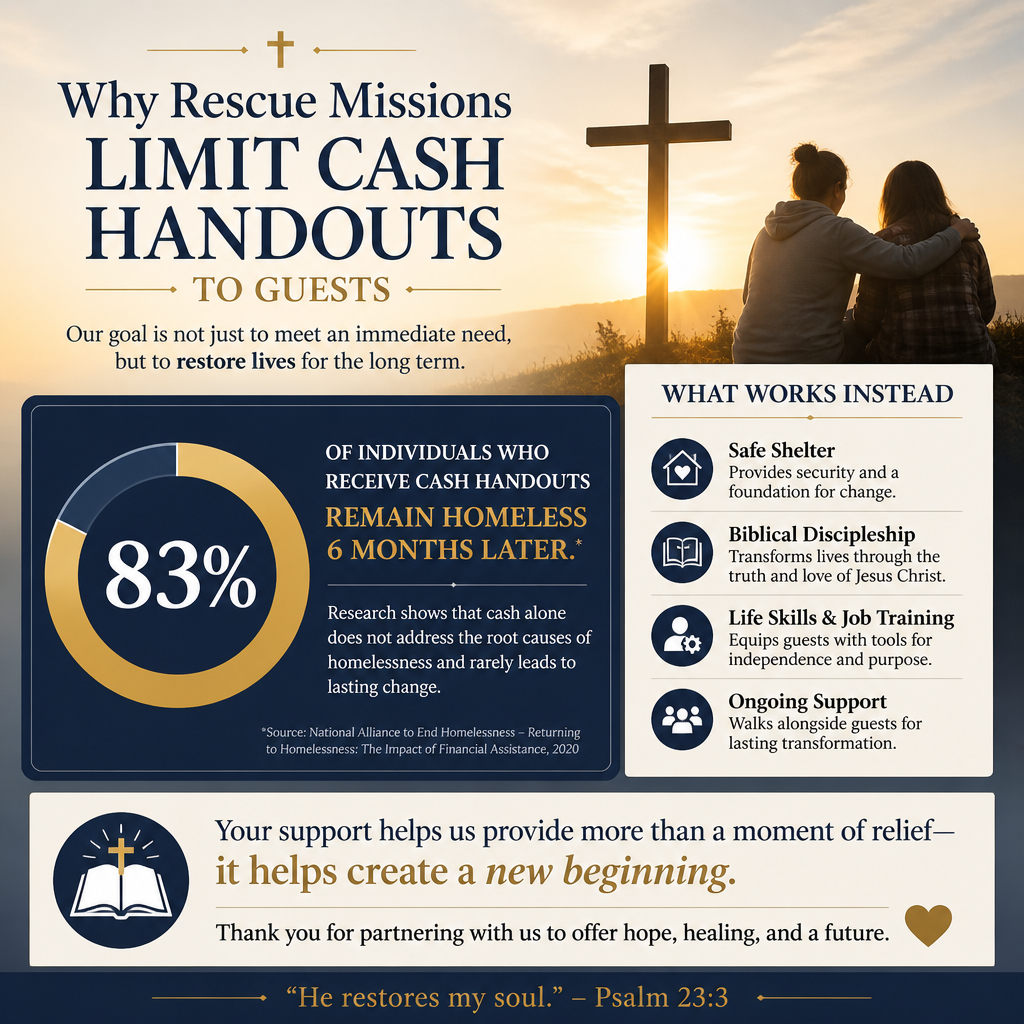
The harder question is not whether a ministry should ever give cash; it is whether the ministry can give cash in a way that is consistent, equitable, and defensible across thousands of encounters. If staff give cash based on perceived sincerity, the ministry risks favoritism, inconsistency, and a “best storyteller wins” system that is unjust to quieter guests and dangerous for staff.
Staff and guest security requires predictable rules
Cash on site changes the security profile of a facility. It increases the likelihood of theft, intimidation, and conflict among guests. It can also place staff in morally precarious situations where they are pressured to bend rules, make exceptions, or “just help this once.” Predictable policies reduce the number of high-stakes discretionary moments.
This is one reason donors evaluating rescue missions often look beyond the emotional appeal of “we meet needs at the door” and ask about governance, internal controls, incident reporting, and how decisions are documented. These questions belong within Accountability and Transparency in Rescue Missions, because policies around money are rarely isolated; they reflect the organization’s broader approach to stewardship.
Donors should distinguish between cash avoidance and relational care
A cash limit can mask indifference, but it can also express rigor
Not every no-cash policy is virtuous. A mission can hide behind “policy” to avoid costly, relational work. Sophisticated donors should watch for whether the mission’s alternatives are real and accessible, or merely theoretical. If a guest cannot obtain a bus ticket after hours, cannot replace an ID, cannot reach a detox bed, and cannot get basic medical attention, then refusing cash may function as a way of denying help with cleaner hands.
In our verification work at Most Trusted, we find that the ministries that meet The Most Trusted Standard tend to pair financial boundaries with clear pathways: intake processes that do not demean, case management that sets measurable goals, and partnerships for medical care, recovery, employment, and housing navigation. The boundary is not the ministry; the boundary protects the ministry.
Questions donors can ask without second-guessing front-line judgment
Donors serve rescue missions well when questions are concrete rather than accusatory. A short set of inquiries often reveals whether a cash policy is thoughtful:
- What do you offer instead of cash for transportation, medication, or urgent documentation needs?
- Who can authorize exceptions, and how are exceptions documented?
- How do you prevent coercion or theft among guests related to money or valuables?
- What recovery and mental health pathways do you use when a guest requests money repeatedly?
- How do you measure whether your assistance leads to stabilization over time?
These questions respect the complexity of the work. They also honor the biblical conviction that resources entrusted to the church should be handled “honorably… not only in the Lord’s sight but also in the sight of man” (2 Corinthians 8:21).
Wise compassion integrates mercy, accountability, and long-term outcomes
Immediate relief is not the same as effective help
Christian mercy must be more than triage, but it cannot be less. A rescue mission that never takes urgent needs seriously will not resemble the Good Samaritan. Yet the Good Samaritan did not hand over cash and walk away. He provided direct care, arranged shelter, and committed to ongoing cost (Luke 10:34–35). That is closer to the logic behind most no-cash policies: help that stays attached to care.
Donors often feel the weight of Jesus’ warning not to harden the heart against the poor (Deuteronomy 15:7–8 echoes through the canon). That concern is right. The answer is not to abandon discernment; it is to practice discernment in a way that remains generous—giving through structures that protect the vulnerable, including vulnerable guests whose addiction or trauma makes cash uniquely dangerous.
Verification strengthens confidence when policies are hard to interpret
Because donors cannot see daily interactions at a mission’s front desk, policies can be misread. A cash limit might be a sign of integrity, or a sign of disengagement. This is where independent evaluation serves the church. Most Trusted assesses ministries against The Most Trusted Standard, examining faith commitments, financial integrity, governance, and candor about outcomes so donors can give with confidence rather than with either cynicism or naiveté.
For donors seeking a broader understanding of how rescue missions structure outreach, case management, recovery partnerships, and shelter operations, our coverage of Rescue Missions and Homeless Outreach places these policies in context alongside the rest of the work.
FAQs for Why rescue missions limit cash handouts to guests
Is refusing to give cash to a guest unbiblical or lacking compassion?
Not necessarily. Scripture commands generosity and also commends wisdom, honesty, and responsible stewardship. Many missions limit cash because they have seen it intensify harm through addiction relapse, theft, coercion, or exploitation. The moral question is not only whether help is offered, but whether the form of help is ordered toward the guest’s good and consistent with the ministry’s duty of care.
Should Christian donors ever fund a mission’s discretionary cash fund?
It can be appropriate when controls are strong and the purpose is specific—for example, paying for identification documents, transportation arranged by staff, or a short-term lodging bridge tied to a case plan. Donors should ask how requests are verified, who approves disbursements, how exceptions are tracked, and what outcomes the mission sees from this assistance. A mission that cannot answer those questions clearly is not ready to handle discretionary cash at scale.
Mercy that protects the vulnerable is not less merciful
Cash feels like the simplest expression of compassion, but rescue missions operate where simplicity can be hazardous. Limits on cash handouts are often an attempt to align generosity with truth: that the poor are precious, that addiction enslaves, that predators look for openings, and that resources given in Christ’s name should be administered with integrity. For donors, the goal is not to pressure missions into sentimental policies, but to support ministries whose mercy is both warm and well-governed.



