

Christian conflict resolution resources serve churches best when they do more than teach a few techniques for hard conversations. They help congregations pursue the biblical ends of truth, repentance, forgiveness, and justice without collapsing into either denial or division. For donors, the question is not whether conflict will arise in the church; it is whether we will fund the kind of formation and accountability that makes peace more than a slogan.
Scripture treats conflict as spiritually consequential. Jesus places reconciliation so near the center of worship that he instructs the worshiper to leave the gift at the altar and go first to be reconciled (Matthew 5:23–24). Paul tells the Ephesians that Christ has broken down the “dividing wall of hostility” (Ephesians 2:14), and he warns the Corinthian church that unresolved disputes among believers can become a public contradiction of the gospel (1 Corinthians 6). What this means in practice is that churches need conflict resources that are explicitly theological, not merely psychological or procedural.
1. What churches actually need when conflict becomes a crisis
Conflict is often about authority, trust, and truth
Church conflict is rarely just about a budget line item or a worship style. Those surface issues frequently mask deeper questions: Who is trusted to interpret Scripture? Who has voice and who is marginalized? What happens when leaders are challenged? Mature conflict resolution resources name these dynamics without turning the church into a battleground of factions.
Donors often underestimate how quickly conflict can become institutional. When elders or pastors are perceived as defensive, congregants interpret silence as concealment. When members are perceived as combative, leaders interpret questions as rebellion. A resource that serves churches must be able to intervene at the level of governance and culture, not only interpersonal misunderstanding.
Reconciliation is not the same as avoiding consequences
Christians genuinely disagree about how to balance mercy and accountability in cases involving serious wrongdoing. The field has had to reckon with the ways “forgiveness” language can be misused to pressure victims, protect reputations, or short-circuit due process. A church is not a criminal court, but neither is it permitted to call darkness light.
Resources that serve churches well include clear pathways for investigation, external reporting when required, and pastoral care that does not coerce reconciliation. When allegations involve abuse, mandated reporting and survivor-centered care are not optional; they are part of truthful witness.

2. The core types of Christian conflict resolution resources churches rely on
Conciliation, mediation, and arbitration within a biblical framework
Many churches seek help when disputes have moved beyond direct conversation. In those situations, structured peacemaking can prevent either endless escalation or quiet attrition. The best ministries offer tiered services: coaching for leaders, mediation between parties, and—where both sides consent—arbitration grounded in Scripture and informed by relevant law.
A widely recognized example is Peacemaker Ministries and the broader “Biblical Peacemaking” approach associated with Ken Sande. The value for churches is not only the availability of mediators, but a shared vocabulary for confession, repentance, and constructive negotiation that can be taught before conflict becomes acute.
Training that forms a culture, not merely a response team
Churches that treat conflict resolution as a specialty service often discover, too late, that their ordinary discipleship practices have not prepared members for disagreement. Training resources serve churches best when they build a durable culture: biblical norms for speech, habits of charitable interpretation, and practical skills for addressing offense without gossip.
In this category, ministries such as Ambassadors of Reconciliation have long served churches by providing training, consultation, and conflict coaching rooted in a Lutheran theological tradition while collaborating broadly across the evangelical landscape. The distinctiveness is the integration of doctrine, pastoral practice, and structured conciliation.
3. How donors can evaluate conflict ministries with theological and institutional clarity
What faithful peacemaking looks like under pressure
In donor discernment, it is tempting to overvalue ministries that promise quick fixes. Churches in crisis feel urgent, and urgency can be exploited. Resources that serve churches well tend to be sober about timelines: trust, once broken, is slow to rebuild; leadership credibility, once compromised, requires transparent repair; and entrenched factions do not dissolve with a single facilitated meeting.
We also watch for theological realism. A ministry can be technically competent and still fail the church if it treats peace as mere conflict reduction. Biblical peace includes truth-telling, protection of the vulnerable, and a willingness to accept losses for the sake of righteousness. When a program’s posture is “keep everyone happy,” it will not serve the church when stakes are high.
Governance safeguards matter as much as counseling skill
Conflict ministries occupy a sensitive role. They may hear allegations, evaluate leaders, and influence outcomes that affect careers and reputations. That power requires oversight. Across our verification work at Most Trusted, we find that ministries most worthy of donor confidence tend to maintain clear conflict-of-interest policies, documented case processes, and leadership accountability that is not concentrated in one charismatic founder.
For donors who want a broader map of where these ministries fit, we maintain a directory of Christian Conflict Resolution Ministries that helps situate programs within the wider ecosystem of church health and reconciliation work.
4. What effectiveness looks like in church conflict work
Measuring outcomes without reducing the gospel to metrics
Effectiveness in conflict resolution is hard to quantify. Some outcomes are visible: a documented agreement, a restored membership, a clear governance change, a completed training cohort. Other outcomes are spiritual and long-term: deeper repentance, healthier leadership culture, reduced triangulation, and renewed congregational trust.
Still, donors should ask for evidence. A ministry can report how many cases it handled, what kinds of interventions were used, and what follow-up practices exist six months later. Donors can also ask whether the ministry refers appropriately to licensed professionals when mental health issues are prominent, and whether it has a clear policy for situations involving abuse or criminal conduct.
A brief set of donor questions that clarifies maturity
The most useful questions are concrete and process-oriented. We recommend asking:
- What is your intake process, and how do you determine whether a case is appropriate for mediation?
- How do you handle conflicts of interest, especially if a referring pastor is a donor or board member?
- Do you have written policies for allegations of abuse, including mandated reporting and survivor care?
- What training and supervision do your conciliators receive, and how is their work reviewed?
- What follow-up is required after a mediated agreement, and how do you assess durability?
These questions do not replace spiritual discernment, but they help donors distinguish between ministries that are serious about institutional responsibility and those that are not.
5. Where conflict resolution intersects with church integrity and public witness
The church’s credibility is often decided in how it handles disagreement
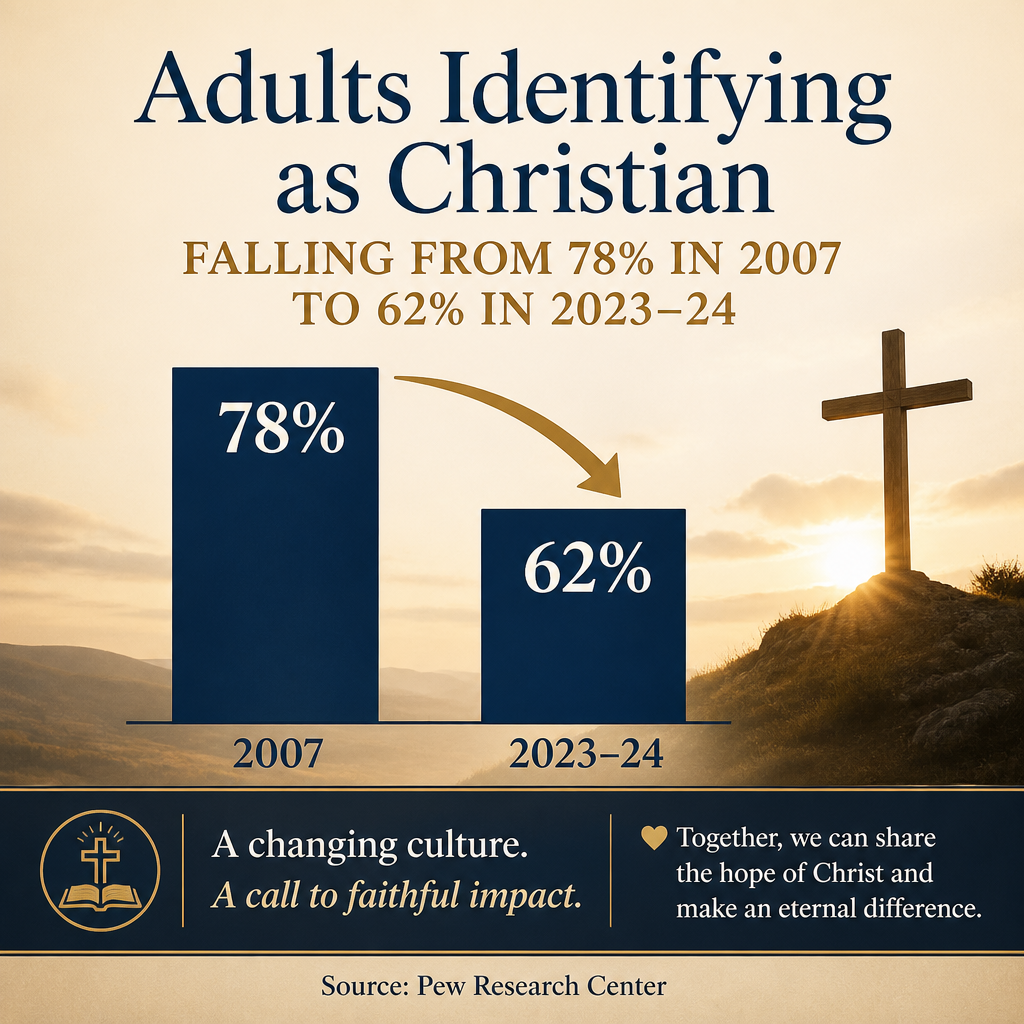
Western culture is not uniquely divided, but it is acutely polarized, and churches are not immune. Pew Research has documented the long-term decline of Christian affiliation in the United States, with the share of U.S. adults identifying as Christian falling from 78% in 2007 to 62% in 2023–24 Pew Research Center. Not all of that change is attributable to church conflict, but public trust is shaped by what communities observe: whether Christians tell the truth, protect the vulnerable, and treat opponents with integrity.
Conflict resolution ministries serve the church’s witness when they help congregations practice what they proclaim. That includes fair process, transparent communication, and pastoral care that refuses both cynicism and naivete. It also includes the humility to involve outside expertise when the church lacks capacity.
Stewardship requires verified confidence, not merely good intentions
Donors who fund reconciliation work often do so because they have watched conflict wound pastors, split congregations, or silence needed accountability. The impulse is right; the risk is that urgency can lead to funding programs with unclear governance or untested claims of effectiveness.
Most Trusted exists to help donors give with confidence by evaluating Christian nonprofits against The Most Trusted Standard, a 15-criteria framework spanning faith foundation, financial integrity, governance and leadership, and transparency and effectiveness. Within this category—where interventions are sensitive and power dynamics are real—verification is not cynicism. It is an act of stewardship that honors both the church and those who have been harmed.
For donors seeking specific giving pathways in this space, our directory of Christian Conflict Resolution Programs Donors Can Support provides an entry point for comparing ministries with greater clarity.
FAQs for What Christian conflict resolution resources serve churches
Should a church always keep conflict resolution internal to the congregation?
Not always. Matthew 18 emphasizes direct, orderly steps, but it does not forbid outside help; it assumes wise discernment and truthful process. When the conflict involves leadership credibility, significant power imbalance, or allegations that require professional expertise or mandated reporting, external mediation or consultation can protect the vulnerable and increase impartiality.
What is the difference between biblical peacemaking and secular mediation?
Many practical mediation skills overlap, but biblical peacemaking is ordered toward theological ends: repentance, forgiveness, truth-telling, and restored fellowship under Christ’s lordship. A Christian framework also brings moral clarity about sin and responsibility. At its best, it avoids two common errors—treating every conflict as mutual fault, and treating “peace” as the absence of disruption rather than the fruit of righteousness (James 3:18).
Funding peace that tells the truth
Christian conflict resolution resources serve churches when they help congregations pursue peace without sacrificing truth, protect the vulnerable without abandoning mercy, and rebuild trust through accountable processes rather than public relations. Donors can strengthen the church’s witness by funding ministries that combine theological seriousness with institutional maturity, and by insisting on the kind of transparency that makes reconciliation credible.



