
Praying for and supporting Bible distribution ministries is not a sentimental add-on to Christian giving. It is a sober question of how the Word of God is carried, translated, printed, safeguarded, and taught in the ordinary conditions of human life—often under poverty, conflict, or government restriction. Donors who care about Scripture’s authority are right to ask not only whether Bibles are shipped, but whether people can receive them, understand them, and persevere in faith amid real pressures.
Scripture itself ties the health of God’s people to the presence of God’s Word. Moses commanded Israel to keep the words of God “on your heart,” to teach them diligently to children, and to speak of them in the home and on the road (Deuteronomy 6:6–9). The church’s mission is likewise tethered to the Word: “Faith comes from hearing, and hearing through the word of Christ” (Romans 10:17). Bible distribution, when done well, serves that hearing. When done poorly, it can become a numbers-driven logistics project that forgets the human and ecclesial realities in which discipleship actually happens.
Why Bible distribution belongs in serious Christian stewardship
Christian donors often feel the tension between urgent human need and long-term spiritual formation. Bible distribution ministries sit inside that tension. They are not the only faithful use of charitable resources, and Christians genuinely disagree about giving priorities. Yet the work addresses a foundational constraint in much of the global church: access to Scripture in a language people can read, in a format they can use, at a price they can afford, with a supply chain resilient enough to withstand censorship, instability, or simple geographic isolation.
History gives perspective. The Reformation’s emphasis on vernacular Scripture was not a mere preference; it reshaped public worship, catechesis, and family discipleship. Modern missions movements have likewise treated translation and distribution as core infrastructure for church planting and theological formation. Donors today inherit the same logic: if the Word is central, then ordinary access to the Word is not optional.
Distributing Bibles is not the same as establishing Scripture access
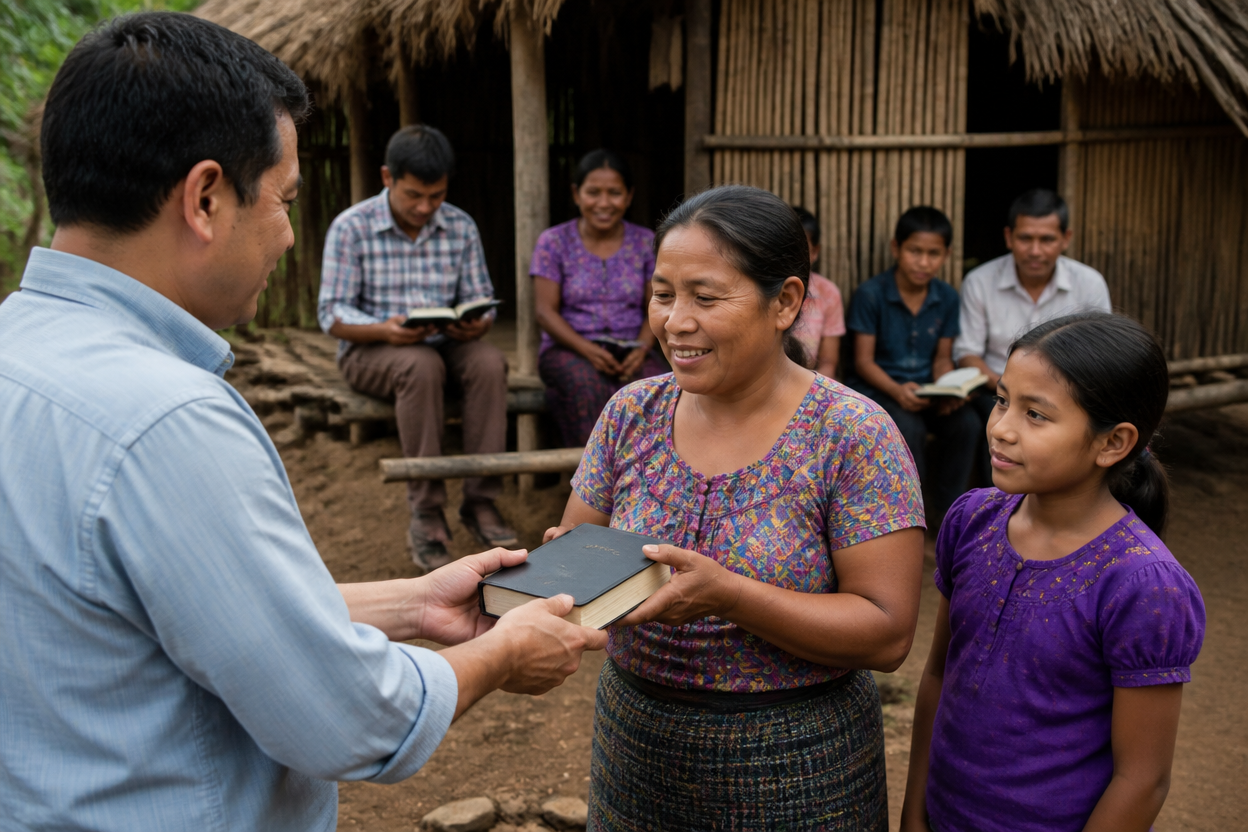
The harder question is what “access” actually means. A container of Bibles reaching a port is not the same as Bibles reaching believers, pastors, prisoners, refugees, or isolated language communities. Access includes literacy, local trust, wise pricing, and protection of recipients where possession carries risk. Mature donors learn to ask distribution ministries to describe their last mile: Who receives the Bibles, under what conditions, through which local partners, and with what safeguards?
Quantity metrics can obscure theological and pastoral realities
“Bibles distributed” is easy to count; spiritual formation is not. That does not make formation less real. Effective Bible distribution tends to be paired with pastoral training, church partnerships, trauma-aware discipleship resources, or simple structures of follow-up—especially where new believers face social exclusion. Donors can affirm the goodness of measurable outputs while still insisting that ministries tell the truth about what cannot be reduced to a dashboard.
Donors should name common risks without cynicism
Bible distribution carries recurring risks: duplication of effort in the same regions, weak coordination with local churches, shipping practices that create customs delays or corruption exposure, and marketing pressure that can encourage exaggerated stories. Naming these risks is not suspicion; it is stewardship. Ministries that welcome scrutiny are often the ones most committed to long-term credibility.
How to pray for Bible distribution ministries with precision
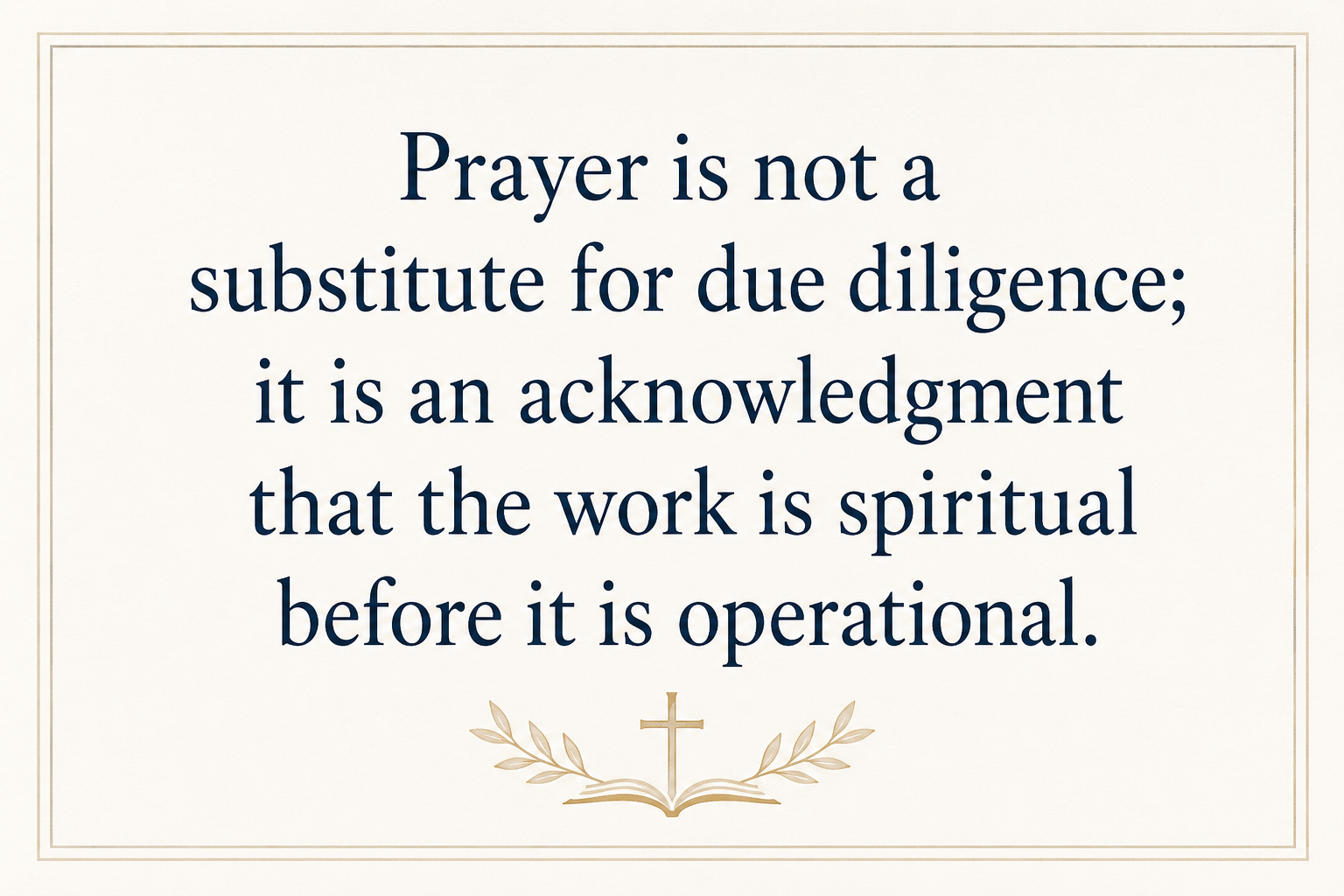
Prayer is not a substitute for due diligence; it is an acknowledgment that the work is spiritual before it is operational. Scripture’s own pattern is to pray both for the Word’s advance and for the people and structures that carry it. Paul asked that “the word of the Lord may speed ahead and be honored” (2 Thessalonians 3:1) and also requested prayer for protection and open doors (Colossians 4:3–4). Donors can pray in ways that match the realities these ministries face.
Pray for integrity in translation, publishing, and distribution decisions
Translation philosophy, textual basis, and editorial standards are not merely technical questions; they shape how Christians hear God. Prayer should include wisdom for translation teams, reviewers, and church leaders who must make contested decisions responsibly. Where ministries print and distribute, pray for truthfulness in reporting, restraint in claims, and courage to correct errors early rather than defend them publicly.
Pray for protection of recipients and local partners
In some contexts, receiving Scripture can expose believers to job loss, surveillance, or violence. Even where formal persecution is absent, social pressure can be severe. Donors should pray for safety, discretion, and pastoral courage for local churches who carry the relational and sometimes physical consequences of distribution decisions. Wisdom is required to avoid public communications that unintentionally endanger people on the ground.
Pray for the Word to produce durable discipleship, not momentary enthusiasm
The New Testament repeatedly connects hearing the Word with perseverance. Jesus warned about responses that begin with joy but wither under pressure (Matthew 13:20–21). Donors can pray that Scripture distribution would lead to rooted faith, healthy churches, and resilient families—especially in communities where Christian witness is fragile. This also means praying for pastors and elders who will teach, correct, and comfort with the Scriptures (2 Timothy 3:16–17).
What wise financial support looks like for Bible distribution work
Donors who give seriously tend to discover that the best Bible distribution is operationally complex. Costs include translation, rights and licensing, printing, freight, customs, warehousing, security, anti-diversion controls, and local training. Some of these costs look “administrative” on a simplistic spreadsheet, but they can be the very systems that prevent waste, corruption, and harm.
Financial stewardship also requires clarity about what a ministry can responsibly absorb. The “Starvation Cycle,” described by Ann Goggins Gregory and Don Howard, explains how chronic underfunding of core operations can quietly weaken effectiveness even when programs appear active on the surface Stanford Social Innovation Review. Bible distribution ministries are not immune. Underinvested logistics, weak audits, or thin governance may produce impressive short-term distribution counts while increasing long-term risk.
Give for capacity where capacity protects the mission
Some donors prefer to fund only the visible unit cost of a Bible. In practice, resilience often depends on unglamorous systems: vetted partners, inventory controls, cybersecurity for sensitive data, and compliance practices that keep workers safe and ministries legally intact. Giving that allows a ministry to strengthen these systems can be more faithful than restricting support to a narrow line item that photographs well.
Ask what the ministry does when distribution is disrupted
Shipping delays, currency volatility, border closures, and sudden policy changes are not rare in many regions. Mature ministries have contingency plans, diversified print options, and local decision-making authority. Donors can ask ministries to describe how they handle disruptions without resorting to inflated urgency appeals that pressure supporters into reactive giving.
Support collaboration with local churches and trusted networks
Bible distribution is healthiest when it strengthens, rather than replaces, local ecclesial leadership. That often means partnering with denominations, networks of pastors, seminaries, prison chaplaincies, or established relief-and-development organizations already present in a region. Donors can look for evidence that distribution strategies were shaped with local counsel and that local leaders share responsibility for follow-up and teaching.
How Most Trusted helps donors verify Bible distribution ministries
Good intentions are not rare in Christian ministry. Verifiable trust is. Most Trusted exists because donors deserve more than promotional language when they are deciding how to fund work done in Christ’s name. Across our verification work, we observe that ministries serving high-risk contexts often need stronger governance and clearer reporting, not less. Pressure, complexity, and spiritual opposition tend to expose weak systems.
We evaluate ministries against The Most Trusted Standard, a 15-criteria framework covering Faith Foundation, Financial Integrity, Governance and Leadership, and Transparency and Effectiveness. For Bible distribution ministries, several questions tend to be especially clarifying.
Faithfulness and theological clarity
Donors should be able to see a ministry’s doctrinal commitments and ministry philosophy in plain language. This includes how the organization understands Scripture’s authority, how it approaches translation decisions, and how it relates to the local church. Clarity does not eliminate disagreement, but it does prevent donors from funding a mission they would not recognize if it were stated honestly.
Financial integrity in a cash-and-logistics heavy field
Distribution often involves large purchases, international freight, and the use of in-country partners. Those realities increase the importance of basic controls: independent financial review, conflict-of-interest policies, procurement discipline, and transparent reporting. Donors should not accept the idea that spiritual work makes financial safeguards optional. The New Testament’s concern for honorable administration of gifts is explicit (2 Corinthians 8:20–21).
Transparency that matches the stakes
Because Bible distribution can intersect with restricted contexts, transparency has limits; publishing operational details can endanger people. Yet secrecy is also easily misused. Healthy ministries distinguish between information that must remain confidential for safety and information that can and should be disclosed for accountability: audited financials where feasible, governance structures, strategic priorities, and accurate reporting that avoids sensationalism. Where a ministry cannot publish certain details, it should be able to explain the rationale without demanding unquestioning trust.
Donors seeking a wider landscape of vetted work in this area can begin with Bible Distribution Ministries.
Supporting Bible distribution with both conviction and accountability
Christian donors do not need to choose between zeal for the spread of Scripture and seriousness about how ministries operate. The same God who commands generosity also commends integrity, wisdom, and truthfulness. When prayer and support are joined to careful verification, Bible distribution becomes not only a funded activity but a disciplined act of stewardship—one that honors the Word we seek to place in the hands of others.



