
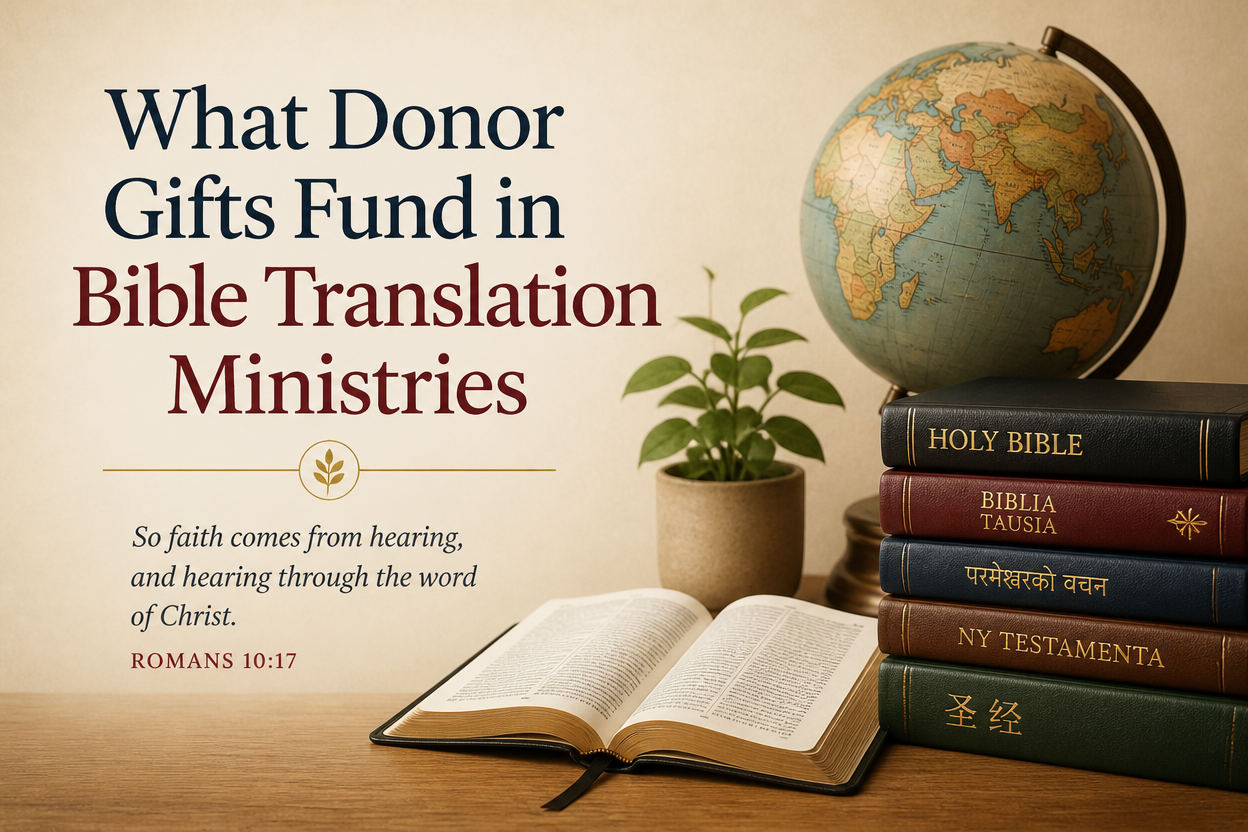
Christian donors often ask what donor gifts fund in Bible translation ministries because the work is both spiritually weighty and operationally complex. The Word of God does not appear in a new language by sentiment alone; it requires time, skilled labor, tested processes, and long-term presence among real communities.
What this means for stewardship is straightforward: a gift to Bible translation is rarely a gift to a single moment. It is a gift to a chain of activities that runs from linguistic research and local church engagement to consultant checks, publishing, and sustained Scripture use. Across our verification work at Most Trusted, we have found that mature donors give more freely when they understand the actual cost-drivers and the moral trade-offs ministries must manage.
The work donors imagine and the work translation requires
Bible translation is commonly pictured as a translator at a desk with a Greek New Testament and a dictionary. That picture is not false, but it is incomplete. Translation is a community and church-facing endeavor that requires careful governance, qualified technical oversight, and patient formation so that Scripture is not merely produced but received.
The field has also had to reckon with disagreements about method. Christians genuinely disagree about formal equivalence, functional equivalence, and meaning-based approaches; about whether to begin with a New Testament or include key Old Testament portions earlier; and about how to handle sensitive renderings in languages shaped by local religious vocabularies. These are not superficial debates. They affect budget, staffing, and timelines.
From first contact to first draft
Before translation begins, ministries typically invest in language assessment, sociolinguistic research, and community relationships. In many settings, the first major cost is not printing or distribution but the slow work of building trust, mapping dialect realities, and establishing a local translation team that has credibility with churches.
Why timelines feel long to donors
Major translation projects can span years because quality assurance is not an add-on; it is the work. The process includes drafting, internal review, back translation checks, consultant review, community testing, and revision cycles. A donor’s desire for speed is understandable, but Scripture itself commends careful handling of God’s Word and faithful stewardship of truth (2 Timothy 2:15).
What gifts typically underwrite in the translation process
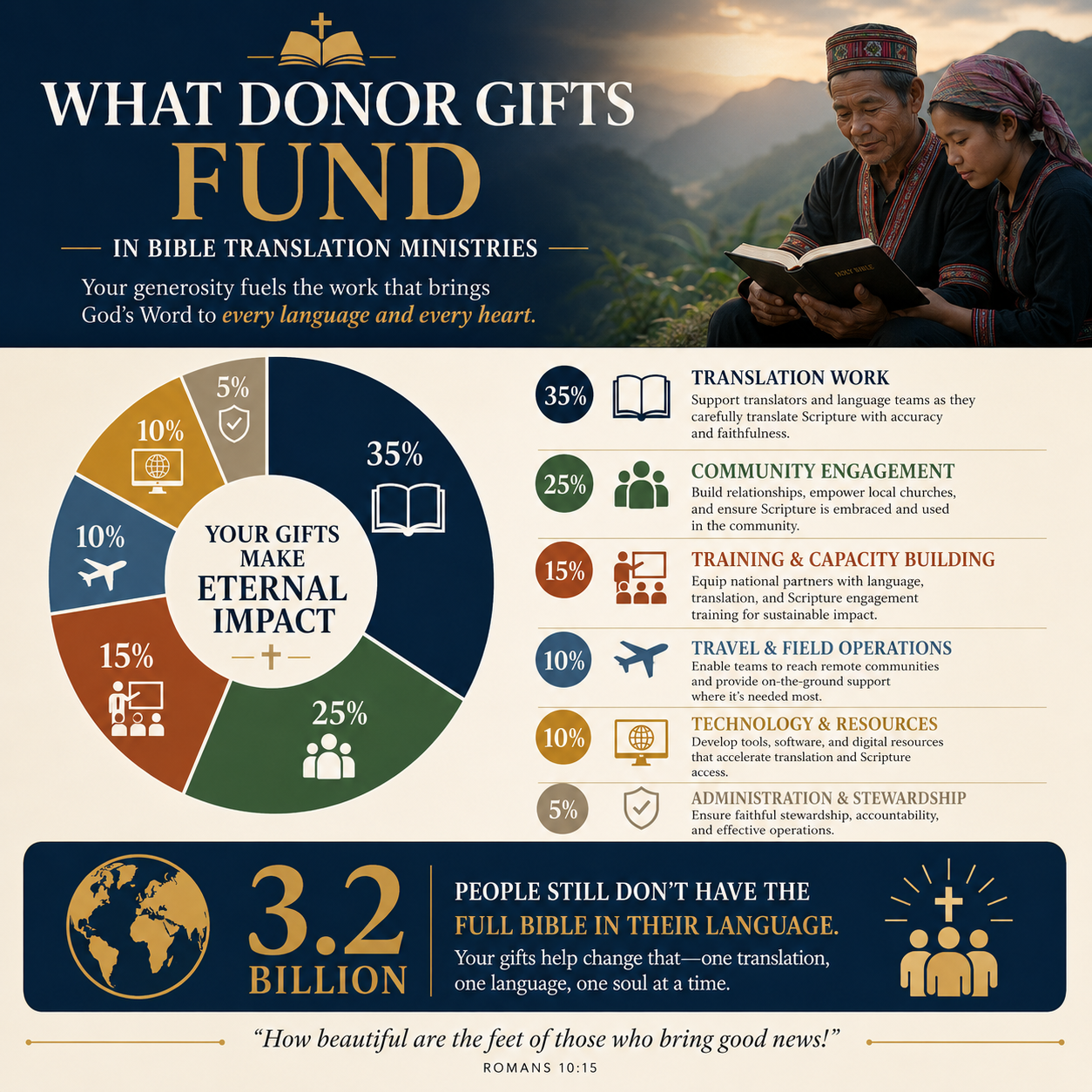
Most Bible translation budgets are driven by people, not equipment. Donor gifts primarily fund the human infrastructure required to translate faithfully, check rigorously, and serve communities without treating them as raw material for a product.
People costs that are hard to avoid
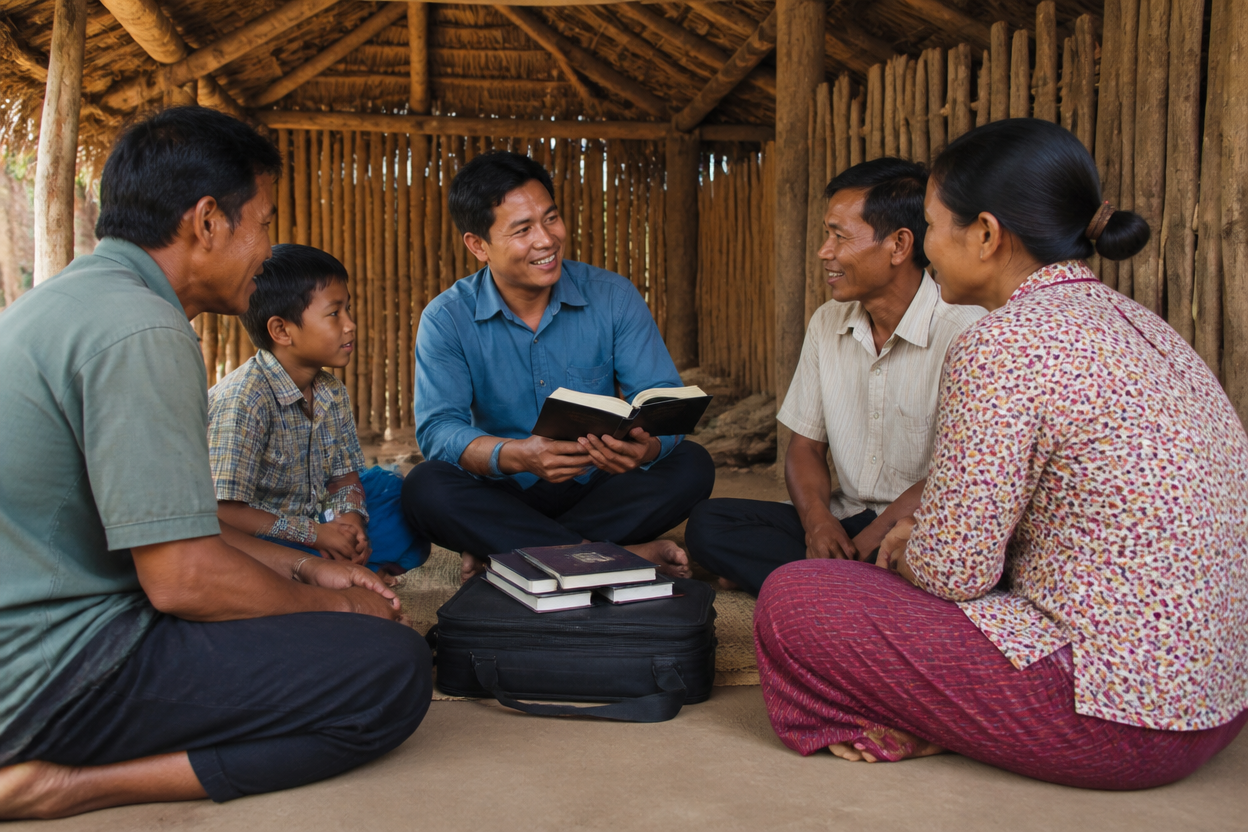
Translation requires a blend of local and external expertise: mother-tongue translators, exegetical support, linguists, translation consultants, and project managers. Training is not optional because the work requires competence in biblical languages, translation principles, and the target language’s grammar and discourse patterns. Ministries that build local capacity rather than permanent dependency often spend more upfront, but they tend to produce healthier long-term outcomes for churches.
Tools and systems donors rarely see
Donor gifts may also fund software, secure data handling, and editorial workflows that reduce error and strengthen collaboration. The point is not technological sophistication for its own sake; it is accuracy, traceability of decisions, and stewardship of the text as it moves through multiple hands.
When donors evaluate whether these costs are warranted, it is worth remembering that the broader nonprofit sector has repeatedly warned against simplistic “low overhead” thinking. The open letter commonly known as the Overhead Myth—signed by GuideStar, Charity Navigator, and the BBB Wise Giving Alliance—argues that administrative and fundraising ratios alone are poor measures of effectiveness and can pressure organizations into unhealthy underinvestment in capacity and accountability (GuideStar).
Beyond the text: Scripture engagement and long-term fruit
Funding Bible translation without funding Scripture engagement can unintentionally treat publication as the finish line. Yet the biblical aim is not merely access, but formation: “faith comes from hearing, and hearing through the word of Christ” (Romans 10:17). Many ministries therefore allocate donor support toward engagement efforts that help a community actually read, hear, and use the translated text.
Orality, audio Scripture, and comprehension
In many language communities, oral communication is primary. That reality changes what “distribution” means. Audio Scripture, oral Bible storying, and facilitated listening groups can be essential if the goal is understanding rather than possession.
Local church partnership rather than parallel structures
Healthy ministries work with church leaders, catechists, and educators so that Scripture use grows inside the life of the church. That often includes training for pastors and lay leaders, materials for group study, and support for public reading. These costs can frustrate donors who want every dollar to feel like “pure translation,” but they often reflect a theological conviction: the Word is given to be proclaimed, taught, and obeyed within a worshiping people.
For donors who want a broader view of the field, we maintain editorial coverage of Bible Translation Ministries that addresses how ministries differ in approach, governance, and evidence of impact.
The risks donors should name without cynicism
Bible translation is a high-trust endeavor. It involves spiritual authority, cross-cultural dynamics, and funding flows that can unintentionally distort local incentives. Mature donors do not ignore these risks; they fund in ways that reduce them.
Dependency, control, and who owns the work
When most funding comes from outside a community, control can subtly shift away from local churches. Donors can ask whether local believers have meaningful authority in the translation process, whether decision-making is documented, and whether the ministry is building durable local capacity rather than permanent reliance.
Quality, doctrinal faithfulness, and governance
Donors also have legitimate questions about fidelity: not only to Greek and Hebrew source texts, but to historic Christian orthodoxy. Translation philosophies differ, but governance should be clear about doctrinal commitments, review processes, and conflict-of-interest boundaries. In our work applying The Most Trusted Standard, we look for transparent statements of faith, documented translation and checking protocols, and leadership structures that make theological accountability real rather than implied.
- Clear translation process documentation that names steps, reviewers, and decision points
- Qualified checking and consultant review with identifiable standards for approval
- Local church and community involvement that is more than symbolic participation
- Financial reporting clarity that distinguishes project costs from general operations
- Public communication integrity that avoids exaggerating progress or outcomes
How to interpret budgets and appeals with faithful stewardship
Christian donors frequently encounter line items that seem indirect: administration, security, travel, training, member care, and fundraising. Some of these expenses can be inflated or poorly controlled in any sector. Yet in Bible translation, many are tied to real constraints: remote locations, language-community dispersion, political instability, and the need to retain skilled workers over long projects.
Why travel, training, and member care appear so often
Translation teams and consultants often must meet in person for checking sessions, community testing, and church engagement. Training and ongoing professional development are necessary when translators are expected to handle complex exegetical and linguistic questions. Member care can also be a serious stewardship matter: long-term field workers who burn out or collapse under unmanaged stress create churn that slows projects and fractures local trust.
What transparency should look like in practice
Budgets should be intelligible, not merely compliant. Donors should be able to see how funds relate to specific activities and outcomes, how leadership is paid relative to the organization’s size, and whether restricted gifts are honored. When ministries are vague, the issue is not only financial; it is moral clarity. Scripture repeatedly links integrity with honest measures and truthful speech (Proverbs 11:1).
For donors comparing how organizations explain revenue, expenses, and project accounting, our analysis of How Bible Translation Ministries Are Funded addresses common funding models and the questions they raise.
FAQs for What donor gifts fund in Bible translation ministries
Do my gifts mostly pay for translators, or for overhead?
In most Bible translation ministries, the largest expense category is people—mother-tongue translators, reviewers, consultants, and project leadership—because translation is labor-intensive. Some “overhead” categories such as administration, training, and quality assurance are often integral to accurate work and ethical practice. Donors should evaluate whether these costs are clearly explained and appropriately governed, not simply whether they are low.
How can donors tell whether a translation project is credible and accountable?
Credible projects typically publish their translation and checking process, show meaningful local church involvement, and provide financial reporting that connects spending to actual work. Donors can also look for clear doctrinal commitments, identifiable leadership accountability, and public communications that neither rush timelines nor inflate results. At Most Trusted, we assess these patterns against The Most Trusted Standard so donors can give with confidence rather than guesswork.
Funding the Word with clarity and reverence
What donor gifts fund in Bible translation ministries is not a mystery when ministries are transparent and donors insist on accountable clarity. The work is spiritual, but it is not weightless; it requires skilled labor, careful governance, and patient engagement so that Scripture is translated faithfully and received fruitfully. Christian stewardship is strengthened when giving is joined to understanding, and when understanding leads to prayerful, disciplined generosity.



