

When should a church refer a pastor to a pastoral care ministry? The responsible answer is: earlier than crisis, but later than ordinary stress. Churches are called to “shepherd the flock of God” with vigilance and humility (1 Peter 5:2–3), and that includes shepherding those who shepherd. Referral is not a verdict on a pastor’s spirituality; it is a form of wise oversight that recognizes human limits, moral hazard, and the particular vulnerabilities of spiritual leadership.
For Christian donors, this question intersects with stewardship. Pastoral failure and burnout do not only wound a family and a congregation; they often destabilize a church’s finances, weaken its missional credibility, and generate downstream costs in counseling, legal exposure, and member attrition. The church’s first concern is faithfulness, not cost control. Yet prudence is a Christian virtue, and donors rightly ask whether ministries and churches have the governance and care structures that make long-term faithfulness plausible.
Referral is an act of spiritual governance, not a lack of faith
Pastors carry unique isolation and role strain
Pastors are routinely expected to be available in emergencies, lead organizational change, absorb conflict, and remain emotionally steady while bearing others’ grief. Many do so with minimal peer support and limited access to confidential care. The emotional labor is real, and the moral expectations are high for good reason. The danger is that a pastor can drift into isolation precisely when support is most needed.
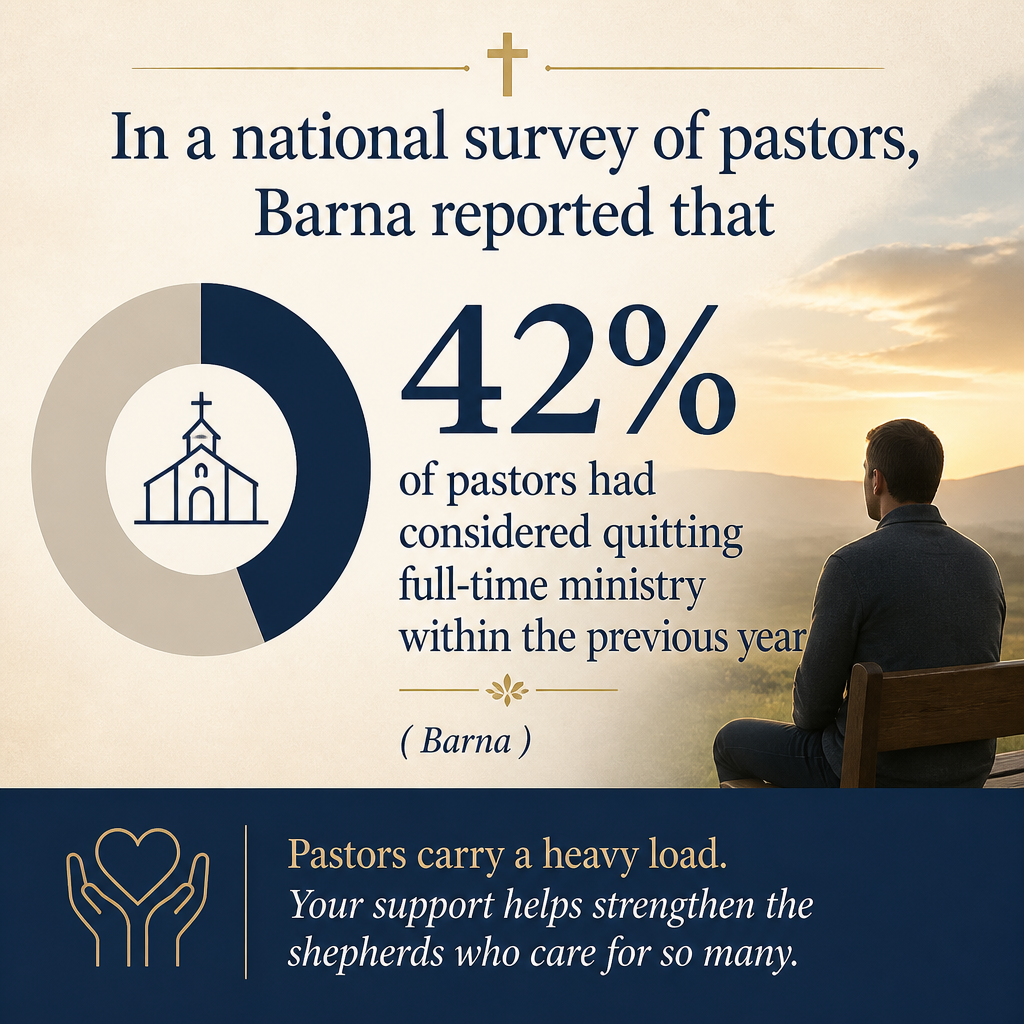
Evidence supports what many elders have learned painfully. In a national survey of pastors, Barna reported that 42% of pastors had considered quitting full-time ministry within the previous year (Barna). Churches can debate causes and definitions, but the signal is clear: strain is not rare. Referral to a pastoral care ministry is one of the few interventions that can be both proactive and confidential, particularly when local relationships are too entangled to be safe.
Scripture affirms means as well as ends
Christians sometimes treat outside care as a concession to modern weakness. Scripture does not. Elijah received food, rest, and companionship before he received fresh marching orders (1 Kings 19:5–8). Paul commended the “comfort” that comes through others (2 Corinthians 1:3–4), not as an alternative to God but as one of God’s ordinary instruments.
What this means in practice is that referral can be a church’s way of honoring the pastor’s humanity while refusing the false choice between spiritual discipleship and competent care. Pastoral care ministries vary widely, but at their best they provide a theologically serious environment for restoration, wise counsel, and structured accountability.
Early warning signs that merit referral before crisis
Patterns that persist after rest and basic supports
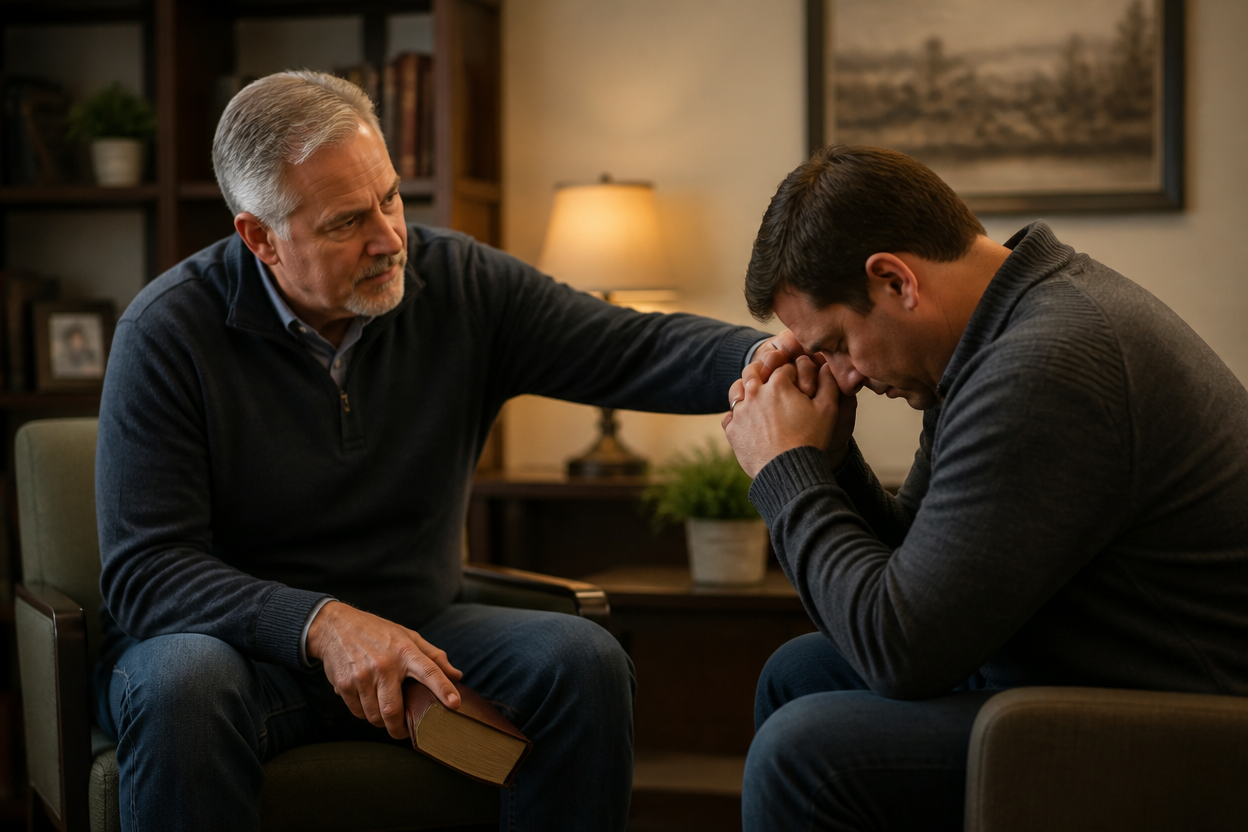
Church life includes seasons of fatigue. A referral becomes prudent when impairment becomes a pattern: when a pastor does not recover after reasonable rest, when irritability becomes the default tone, when preaching and presence lose coherence, or when the pastor’s family life is repeatedly collateral damage. Wisdom requires distinguishing a demanding month from a destabilizing trajectory.
Referral is also warranted when the pastor’s internal world begins to narrow: diminished joy in ordinary spiritual disciplines, chronic cynicism toward the congregation, or an inability to receive feedback without defensiveness. These are not merely “bad attitudes.” They can be warning lights for depression, anxiety, unresolved trauma, or emerging compulsions.
Relational signals inside the church’s leadership system
Because pastors often minimize their own need, elders and key leaders should watch for relational indicators: avoidance of staff, a growing wake of conflict, increased secretiveness, or repeated last-minute cancellations that disrupt ministry rhythms. The church is not conducting a clinical assessment. It is exercising pastoral oversight, which includes recognizing when ordinary internal supports are no longer sufficient.
Across our verification work at Most Trusted, we observe that healthy ministries and churches tend to formalize care pathways rather than improvising them. They name who is responsible for initiating referral, how confidentiality will be protected, and what temporary adjustments to workload may be required. Clear process is not bureaucracy; it is protection for the pastor, the church, and the integrity of the office.
Situations where referral should be immediate and formal
Safety, legality, and the duty to report
Some situations require urgent action and cannot be handled through informal encouragement. Credible allegations of abuse, grooming, harassment, or possession of illegal material require immediate safeguarding procedures, legal consultation, and compliance with mandated reporting where applicable. A pastoral care ministry may assist the pastor, but it does not replace the church’s obligation to protect potential victims and cooperate with lawful authority (Romans 13:1–4).
Similarly, suicidal ideation, threats of harm, severe substance misuse, or psychosis require emergency intervention through appropriate medical and crisis resources. Pastoral care ministries may coordinate follow-up care, but acute risk requires immediate professional response.
Financial impropriety and governance breakdown
When there is evidence of financial misconduct, referral should be paired with governance actions: restricting access, initiating an independent review, and communicating with appropriate transparency to the congregation. The goal is not public shaming; it is integrity. Donors understand this instinctively. A church that protects a leader at the expense of truth is not protecting the gospel’s credibility.
At the donor level, the parallel question is whether ministries have credible controls. That is one reason Most Trusted evaluates organizations against The Most Trusted Standard, examining governance and leadership practices, financial integrity, and transparency. A church that refers a pastor appropriately is often also a church that can explain its safeguards plainly.
How to refer with dignity, clarity, and accountability
Define the purpose: care, assessment, or restoration
Referral fails when it is vague. Elders should state clearly what the church is asking for: a confidential space for care, an assessment of fitness for duty, a structured restoration plan, or help navigating a transition out of role. These are different aims. A care ministry should be able to explain what it can and cannot provide, and what confidentiality boundaries apply.
Churches also need to decide whether the referral is voluntary, required for continued service, or required for reinstatement after a serious incident. Ambiguity can unintentionally harm the pastor by setting up unmet expectations. It can also harm the church by leaving leaders without actionable next steps.
A practical referral pathway that respects both grace and prudence
Referral tends to go better when churches use a simple, documented pathway. A short list can keep elders from either minimizing or overreacting:
- Document observed concerns factually, avoiding speculation about motives.
- Offer a specific referral option with defined scope and confidentiality terms.
- Adjust workload immediately to create space for care and reduce risk.
- Set review dates and clear criteria for return to full responsibilities.
- Maintain a second channel for the pastor’s spouse or family to seek support.
Churches that implement these steps are not treating the pastor as a project. They are acknowledging that leadership is embodied, that sin and suffering both distort judgment, and that accountability is one of God’s means of perseverance.
What donors should look for in pastoral care ministries and referral partners
Qualifications, theology, and clinical competence
Pastoral care ministries range from peer cohorts to residential renewal programs to counseling networks. Donors and church leaders should ask basic questions: Who provides the care? Are licensed clinicians involved when appropriate? How is theological conviction integrated without dismissing evidence-based treatment? What is the approach to trauma, addiction, and marital crisis? Some ministries are candidly pastoral rather than clinical, and that can be appropriate, but they should be honest about their limits.
Because referral often follows crisis, churches may default to the most familiar option rather than the most competent. Donors can reduce this risk by funding ministries that have credible leadership, clear safeguarding policies, and transparent outcomes reporting. The healthiest organizations rarely promise quick transformation; they describe processes, boundaries, and realistic timelines.
Governance and transparency that protect the vulnerable
The harder question is whether a pastoral care ministry has the governance structure to handle sensitive cases. Strong ministries have independent boards, conflict-of-interest policies, and clear complaint mechanisms. They protect confidentiality without becoming opaque. They also maintain ethical guardrails when the referring church has incentives to conceal or minimize wrongdoing.
For donors trying to give with confidence, verification can help distinguish earnest intentions from mature practice. Most Trusted assesses ministries against The Most Trusted Standard, with attention to faith commitments, financial integrity, governance and leadership, and transparency and effectiveness. This is especially relevant when a ministry is positioned as a trusted referral partner for pastors in crisis, where failures can be devastating.
For broader context on the ecosystem of referral partners churches use, see Pastoral Support Ministries. When donors are evaluating how these ministries function specifically as burnout prevention rather than merely crisis response, How Pastoral Support Ministries Prevent Pastor Burnout offers the relevant framing.
FAQs for When should a church refer a pastor to a pastoral care ministry
Is referral a disciplinary action or a supportive step?
It can be either, and clarity matters. Referral is supportive when it provides confidential care, rest, and counsel to address strain or emerging impairment. It becomes disciplinary when it is required due to misconduct, unsafe behavior, or serious governance concerns. Churches serve both grace and truth by naming which situation applies and by pairing care with appropriate accountability.
Should a church wait until a pastor asks for help?
Not necessarily. Many pastors delay asking for help because of shame, fear of job loss, or a belief that needing care disqualifies them. Elders have a biblical responsibility to oversee the church’s health, which includes intervening early when there are consistent warning signs. A wise referral, made with dignity and clear process, can prevent a private struggle from becoming public devastation.
A faithful church treats pastoral care as part of stewardship
Referral is most faithful when it is neither panic nor performance. Churches should refer a pastor to a pastoral care ministry when patterns of impairment persist, when risk is escalating, or when misconduct requires structured accountability beyond what internal relationships can provide. For donors, funding credible pastoral support is not sentimental spending; it is a form of long-term stewardship that protects congregations, families, and the witness of Christ’s church.



