
What pregnancy resource center volunteers commit to is not primarily a task list. It is a moral and spiritual vocation: to receive mothers, fathers, and families at a vulnerable moment, to tell the truth with tenderness, and to offer concrete help without coercion. For Christian donors, this question matters because volunteer commitments are where a center’s stated beliefs become lived practice—and where the credibility of the pro-life witness is either strengthened or quietly undermined.
Pregnancy resource centers carry a public burden that many ministries do not. They operate in a contested moral landscape, often under suspicion, sometimes under legal pressure, and frequently under the weight of stories that do not resolve cleanly. Wise donors do not romanticize this work. We ask what a center expects of its volunteers, how those expectations are formed, and whether governance and accountability match the stated mission.
The commitment begins with presence and human dignity
Seeing the client as neighbor rather than project
Most pregnancy resource centers begin volunteer formation with a simple but demanding premise: every client is made in the image of God. That conviction does not function as a slogan; it sets the tone for how information is given, how privacy is protected, how men are addressed, and how a mother’s agency is honored even when her choices are contested. The moral logic is recognizably Christian. Jesus’ account of neighbor-love in Luke 10 is not satisfied by correct convictions alone; it requires costly attentiveness to a person’s actual need.
In practice, this means volunteers commit to presence that is steady rather than performative. They sit with fear, anger, ambivalence, grief, or relief without turning the conversation into a victory narrative. Centers that are most credible rarely promise quick emotional resolution. They commit to walking with a person over time, even when a client’s life does not fit a donor’s preferred storyline.
Truth told in a manner worthy of the truth
Pregnancy decisions involve biology, law, ethics, and family systems. Volunteers therefore commit to accuracy: using medically sound information, clearly distinguishing what the center provides from what it does not, and resisting manipulation. Donors should expect this. A Christian ministry can be fully convinced about the moral status of the unborn and still recognize that credibility is a form of neighbor-love.
Pregnancy resource centers are also operating amid strong public disagreement about how these services should be regulated and described. Christians genuinely disagree about messaging boundaries, and jurisdictions differ widely. For donors, the relevant question is whether the center’s volunteer standards are designed to protect clients from deception, not merely to protect the organization from criticism.

Volunteers commit to competence, training, and appropriate boundaries
Role clarity is an ethical requirement
Because centers often involve peer counseling, mentoring, material support, and sometimes medical services, volunteers must know what they are—and are not—qualified to do. A volunteer who offers medical advice beyond training can harm a client and expose the ministry to serious liability. Donors should expect centers to require written role descriptions, supervision, and explicit escalation pathways for medical, legal, and safety concerns.
Where a center provides medical services, donor diligence should include asking whether licensed professionals are involved and whether volunteers are trained to defer appropriately. A significant portion of pregnancy resource centers are connected to networks that set standards and offer training. For example, Care Net describes a national network of affiliated centers and a range of training and program resources on its site at carenet.org.
Confidentiality is part of Christian witness
Clients often disclose sexual history, relationship volatility, financial instability, prior abortions, and trauma. Volunteers commit to confidentiality protocols that are stronger than informal discretion. Many centers develop written privacy policies, use secure recordkeeping, and limit access based on role. For medical services, appropriate compliance expectations are higher, and donors should ask how the center handles protected health information.

Boundaries also include recognizing spiritual vulnerability. A client may be open to prayer, Scripture, and church connection; another may not. Volunteers commit to avoiding spiritual pressure as a substitute for care. Faith is not absent from the work, but it is offered in a manner consistent with the character of Christ—truthful, patient, and free of coercion.
The commitment includes trauma awareness and practical mercy
Many clients carry layered vulnerabilities
Pregnancy decisions do not occur in a vacuum. Centers routinely encounter domestic abuse, housing insecurity, coercion by partners or family members, and prior sexual trauma. Volunteers therefore commit to learning basic trauma-informed practices: listening without interrogation, avoiding shame-driven language, and recognizing when safety planning and external referrals are necessary.
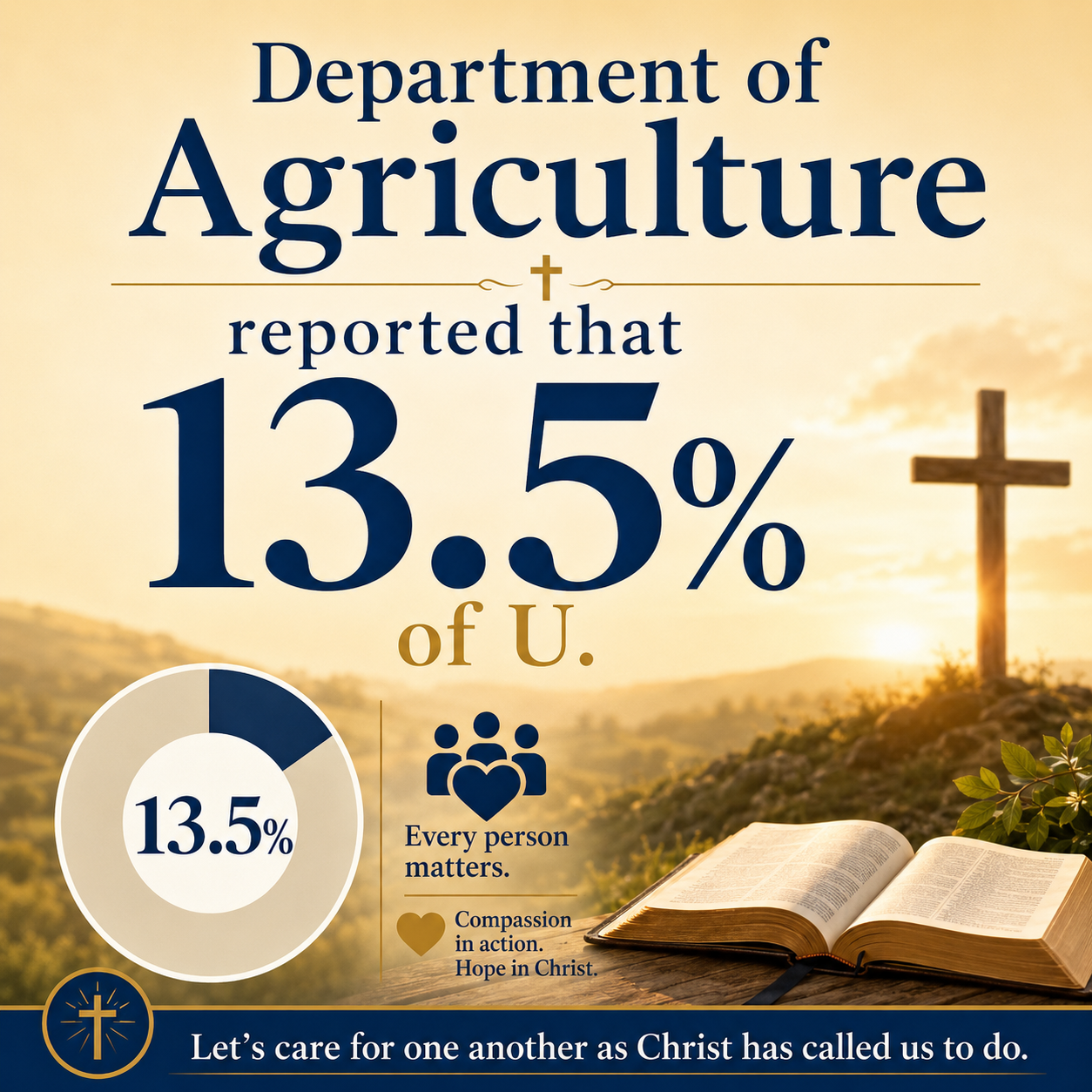
Economic pressure is also real. In 2023, the U.S. Department of Agriculture reported that 13.5% of U.S. households were food insecure, a measurable indicator of strain that can intensify crisis decision-making (ers.usda.gov). Donors should not assume that material support alone resolves moral conflict, but they should recognize that practical mercy can remove destabilizing fear.
Material help must be accountable and dignifying
Most centers provide some combination of diapers, formula, baby clothing, parenting education, referrals, and mentoring. Volunteers commit to distributing material assistance with clear policies so help remains consistent and fair. Mature centers do not use goods as leverage. They treat assistance as part of a larger support plan that aims for stability, not dependency.
When donors assess a center’s volunteer commitments, we recommend looking for a disciplined pattern of care. A short list often reveals whether a ministry has moved from good intentions to accountable practice:
- Written training requirements before client-facing service
- Clear confidentiality and recordkeeping policies
- Defined escalation paths for abuse, self-harm risk, or medical concerns
- Referral relationships with local clinics, shelters, and social services
- Supervision and ongoing coaching for volunteers
Volunteers commit to moral clarity without political reduction
Pro-life conviction expressed as holistic neighbor-love
Many donors support pregnancy resource centers because they believe Christian obedience requires protection of unborn life. That conviction is neither trivial nor merely political. Scripture’s consistent concern for the vulnerable, combined with the biblical prohibition against shedding innocent blood, has formed a moral imagination that many Christians cannot set aside. Yet pregnancy resource center volunteers must embody that conviction in a way that does not reduce a woman to a battlefield or a baby to a symbol.
Credible centers set expectations that volunteers will address fathers as moral agents, not as optional accessories. They will speak about responsibility, support, and family formation without sentimentalizing the challenges. Where a father is absent or dangerous, volunteers must be prepared to support the mother in ways that are realistic, not idealized.
Honest engagement with hard cases
Some pregnancies involve severe fetal diagnoses, rape, incest, and significant maternal health risks. Christians genuinely disagree about the policy implications of some of these cases, and donors should not pretend that every center handles them uniformly. The volunteer commitment, however, should be consistent: to respond with compassion, to avoid simplistic counsel, and to connect clients to trustworthy medical and pastoral support.
Centers that are prepared for complexity tend to have stronger training, clearer referral standards, and more stable volunteer retention. Those are governance outcomes, not merely emotional ones. Donors looking at Pregnancy Resource Centers should expect ministries to name these tensions directly and to show, in policy and practice, how they protect clients in the hardest circumstances.
Volunteers commit to accountability that donors can verify
Volunteer culture reflects governance and leadership
Volunteer expectations do not arise in isolation; they reflect board oversight, executive leadership, and the ministry’s operational maturity. A center that treats volunteers as interchangeable labor often ends up with inconsistent client care. A center that treats volunteers as entrusted representatives of the mission will invest in screening, formation, and supervision. Donors should pay attention to how leadership talks about volunteer responsibility, not only volunteer enthusiasm.
Across our verification work at Most Trusted, we observe that the ministries most worthy of confidence tend to pair compassion with structure. They can articulate what they believe, what they do, how they measure whether it is working, and how they correct course when it is not. That is the posture behind The Most Trusted Standard: faithfulness expressed through financial integrity, responsible governance, and transparent reporting.
Transparency is part of moral seriousness
Pregnancy resource centers receive gifts that are often sacrificial. Donors therefore have a right to clarity about outcomes, finances, and safeguards. The nonprofit sector has also had to reckon with the “overhead” fixation that can punish healthy administration. The joint statement commonly referred to as the Overhead Myth, endorsed by GuideStar (now Candid), BBB Wise Giving Alliance, and Charity Navigator, helped correct this distortion by emphasizing results, transparency, and governance over simplistic ratios (candid.org).
For pregnancy resource centers, this matters because volunteer training, supervision, and data protection require real administrative investment. Donors should not penalize a center for spending to protect clients. The better question is whether the spending is transparent, well-governed, and aligned with the mission. That is why we encourage donors to evaluate centers through the lens of The Faith-Based Mission of Pregnancy Resource Centers and to ask how volunteer commitments are reinforced by policies the board is willing to own.
FAQs for What pregnancy resource center volunteers commit to
Do pregnancy resource center volunteers provide medical care?
Some centers offer medical services such as pregnancy tests or ultrasounds, typically under licensed medical oversight; many do not. Volunteers should not practice beyond their training, and credible centers draw clear lines between peer support, education, and clinical care. Donors can ask whether licensed professionals supervise medical services and how volunteers are trained to refer medical questions appropriately.
What should donors ask a center about volunteer standards?
Donors can ask how volunteers are screened, what training is required before meeting with clients, how confidentiality is handled, and how the center responds to disclosures of abuse or coercion. It is also reasonable to ask how the board oversees client-safety policies and whether the center reports outcomes and finances in a way that is understandable to the public.
A donor’s confidence rises when commitments are concrete
Pregnancy resource center volunteers commit to an uncommon kind of service: morally serious, emotionally costly, and often unseen. Christian donors should honor that service by supporting centers that match compassion with accountable practice—clear training, strong boundaries, truthful communication, and transparent governance. The strongest pro-life witness is not merely asserted; it is verified in the daily faithfulness of people who treat clients as neighbors and their stewardship as a trust before God.



