
Accountability and transparency in biblical museum ministries is not a secondary administrative concern. For Christian donors, it is part of moral stewardship: whether resources entrusted for the honor of Christ and the building up of the church are handled in a way that is truthful, orderly, and worthy of confidence. Scripture consistently binds spiritual claims to public integrity. When Paul organized a large interchurch gift for Jerusalem, he explicitly arranged visible safeguards so that “no one should blame us about this generous gift” and so that the ministry would take “precautions… not only in the Lord’s sight but also in the sight of man” (2 Corinthians 8:20–21).
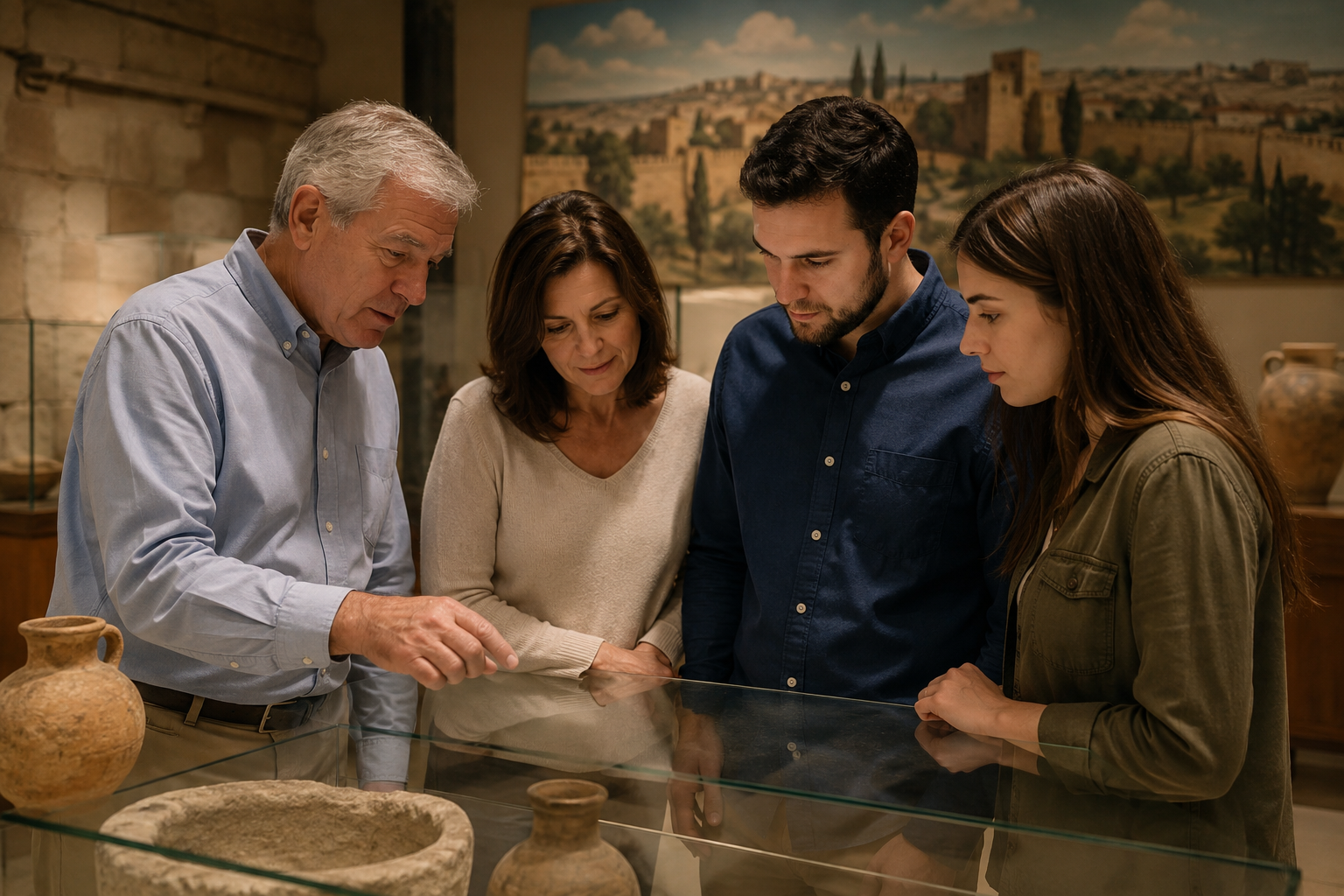
Biblical museums occupy a distinctive space. They often combine scholarship, public education, evangelistic impulse, artifact stewardship, and visitor-based revenue. That mix can clarify a ministry’s impact, but it can also complicate reporting: collections can be restricted, donor intent can be complex, and some activities resemble a cultural institution while others resemble a church-based outreach. Mature accountability names those complexities and still insists on verifiable evidence.
Why donors rightly expect more than inspiring exhibits
Christian donors generally give to biblical museum ministries for reasons that are both intellectual and devotional: to defend the credibility of Scripture, to make the world of the Bible tangible, and to offer families and churches a faithful encounter with history. Those are legitimate aims. The harder question is whether the ministry’s operational realities match its stated theological and educational claims.
Transparency is not simply “sharing numbers.” It is truth-telling about what the ministry is, what it does, and what it costs. Jesus’ warning about public religious performance applies beyond personal piety: “Nothing is covered up that will not be revealed” (Luke 12:2). A ministry that trades on public trust should be ready for public scrutiny that is proportionate to the trust it requests.
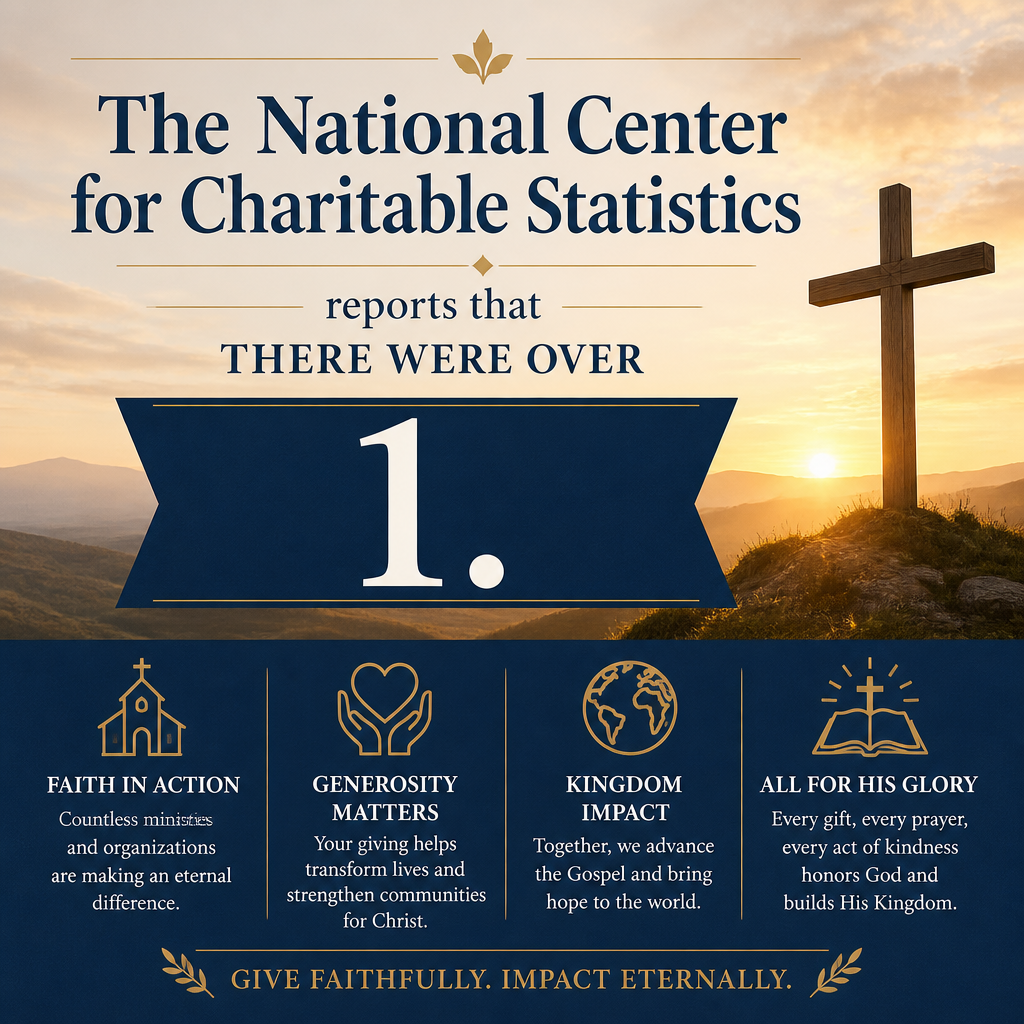
Donors also feel a specific set of pressures. Many have watched scandals in the broader nonprofit and church ecosystem, and they are weary of being asked to fund “vision” without plain answers. The National Center for Charitable Statistics reports that there were over 1.8 million nonprofit organizations registered in the United States in recent years, which increases both donor opportunity and donor uncertainty (National Center for Charitable Statistics). In a crowded field, accountability becomes a key differentiator, not because it is fashionable, but because it is a proximate test of whether a ministry’s leadership fears God more than it fears inconvenience.
What financial transparency should look like in a biblical museum context
Biblical museum ministries often have multiple revenue streams—donations, admissions, memberships, retail sales, grants, and sometimes traveling exhibits. That complexity does not excuse vague reporting. It raises the bar for clarity. A donor should be able to understand, at minimum, what portion of the work is funded by contributions, what portion is self-generated, and how those streams relate to mission delivery.
Financial statements donors can actually use
For U.S.-based ministries, a baseline of transparency includes making the IRS Form 990 readily accessible, along with recent audited financial statements if the organization is large enough to warrant an audit. The IRS requires most tax-exempt organizations to provide public access to their annual returns (Internal Revenue Service). Donors should not have to email repeatedly to obtain basic filings, and ministries should not treat those documents as optional.
Because museums can have significant non-cash assets, donors should also look for notes that clarify accounting treatment of collections. Many museums treat collections differently from ordinary fixed assets. That can be appropriate, but it should be explained plainly. If the ministry acquires artifacts, the donor deserves to understand acquisition policies, ethical sourcing commitments, any valuation practices, and whether donor-restricted gifts can be used for acquisitions.
Program expense ratios are not a substitute for accountability
Many donors have been taught to focus on a single percentage: “How much goes to the mission?” That instinct is understandable, but the field has rightly criticized the reduction of stewardship to overhead ratios. The “Overhead Myth” letter, signed by Charity Navigator, GuideStar (now Candid), and the BBB Wise Giving Alliance, argues that focusing on overhead alone can mislead donors and punish healthy infrastructure (Candid). A biblical museum ministry may have significant costs in collections care, security, climate control, curatorial research, and educational design—costs that are genuinely mission-serving even if they do not resemble a typical “program expense” line item.
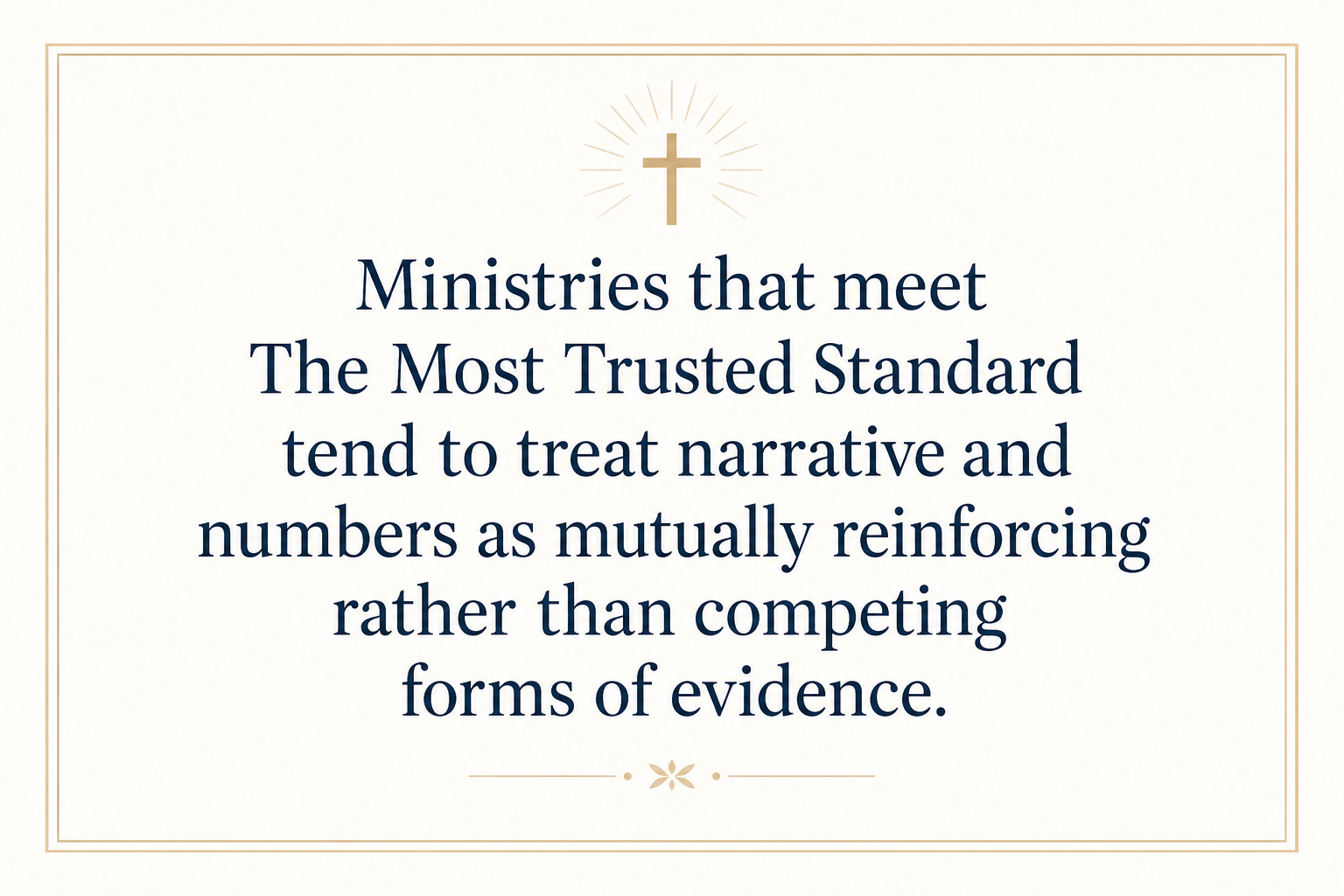
What this means in practice is that donors should ask for narrative explanations that connect spending to outcomes: how conservation protects materials for future generations, how scholarship supports interpretive integrity, and how educational programming actually serves churches, families, and schools. Ministries that meet The Most Trusted Standard tend to treat narrative and numbers as mutually reinforcing rather than competing forms of evidence.
Restricted gifts and donor intent require special candor
Biblical museum ministries frequently invite designated giving: exhibit sponsorships, acquisitions, educational scholarships, capital improvements, or special initiatives tied to anniversaries and traveling exhibitions. Restricted gifts can be a gift to integrity when handled well—and a serious breach when handled casually.
Donors should expect ministries to describe how restricted funds are tracked, how unspent restricted balances are reported, and what policies govern re-designation if a project changes. Many finance failures in Christian organizations are not overt embezzlement; they are slow erosion of boundary lines, where restricted funds become “temporary borrowing” and later become a quiet default. Scripture’s repeated condemnation of dishonest weights and measures (Proverbs 11:1) applies with direct relevance to internal fund accounting.
Governance and internal controls that protect the mission
Accountability is ultimately personal before it is procedural. It depends on leaders who accept that power must be constrained, not trusted. The New Testament assumes plural leadership and tested character for those who oversee resources (1 Timothy 3). A biblical museum ministry can have extraordinary curatorial competence and still be vulnerable if governance is weak.
Board independence and clarity of authority
Donors should look for a functioning board that is not merely honorary. Basic indicators include: documented meeting cadence, meaningful committee work (finance, audit, governance), clear lines between board oversight and executive implementation, and disclosure of related-party transactions. Museums can be founder-led, and founders can be faithful. The question is whether governance structures can withstand moments of pressure—rapid growth, capital campaigns, reputational controversy, or leadership transition.
Transparency here is not voyeurism. It is a ministry acknowledging that it is not above temptation and that it welcomes accountability as a form of discipleship. “Whoever walks in integrity walks securely” (Proverbs 10:9).
Conflict of interest policies and procurement discipline
Museum operations involve frequent contracting: exhibit fabrication, specialized conservation services, security systems, marketing, architecture, and sometimes acquisitions. Those touchpoints are precisely where conflicts can emerge. A mature ministry should have a written conflict of interest policy, a process for disclosures, and board-level handling of recusals when needed.
Donors should also ask whether the ministry uses competitive bidding for major procurements and whether it documents vendor selection rationale. In ministries that handle valuable artifacts, procurement discipline is not merely about saving money; it is part of safeguarding reputation and preventing the appearance of impropriety.
Audit practices and financial oversight proportional to risk
Not every organization needs the same level of external assurance, but ministries with significant revenue, complex operations, or substantial restricted giving should pursue audited financials and independent oversight. Donors should be attentive to whether audits are current, whether management letters are taken seriously, and whether there is an audit committee or equivalent oversight group.
Across our verification work at Most Trusted, the ministries that demonstrate durable integrity tend to treat audits as a governance tool, not as a fundraising badge. They can explain material weaknesses if they exist, the remediation plan, and the timeline for closure—without defensiveness.
How to evaluate transparency reports, annual reports, and impact claims
For biblical museum ministries, the most common donor question is straightforward: “What did my giving accomplish?” The most common donor disappointment is less direct: glossy storytelling that cannot be tested. Annual reports and transparency reports should serve the church by making claims that are specific enough to verify.
Annual reports should connect mission, money, and measurable outputs
A credible annual report does more than highlight attendance totals and photograph exhibits. It explains what was taught, who was served, and what changed. Outputs in a museum context can include: number of school groups hosted, teacher resources distributed, traveling exhibit stops, lectures delivered, scholarly publications supported, conservation projects completed, and the accessibility accommodations provided for visitors.
Attendance can matter, but it is not automatically mission impact. A museum can draw crowds and still mis-educate, sensationalize, or prioritize spectacle over truth. Donors should ask: does the ministry define success in terms that are aligned with Christian discipleship and intellectual honesty?
Transparency reports should address risks, not only achievements
Many ministries publish “transparency” pages that function mainly as reassurance. Mature transparency includes risks and constraints: deferred maintenance, cyber risk, artifact provenance complexity, or the financial vulnerability of visitor-dependent revenue. Donors do not need alarmism. They need candor. A ministry’s willingness to discuss its risks is often a proxy for whether it has the internal maturity to manage them.
Christians genuinely disagree about the boundary between evangelism and education in museum spaces—how explicitly a museum should call for faith versus how it should serve as a pre-evangelistic or apologetic environment. A transparent ministry states its philosophy clearly, describes how it trains guides and educators, and provides evidence that interpretive practices match the stated posture.
Questions donors should ask before giving
- Which financial statements are publicly available, and how current are they (Form 990, audited statements, annual report)?
- How are restricted gifts tracked, and what happens if a restricted project changes or cannot be completed?
- How does the ministry define “impact” beyond attendance, and what evidence supports those claims?
- Who provides governance oversight, and how does the board handle conflicts of interest and executive accountability?
- What is the museum’s policy on artifact provenance, acquisition ethics, and collection stewardship?
- What portion of expenses is driven by collections care, security, and facility needs, and how are those costs explained as mission-serving?
These questions are not adversarial. They are a normal expression of stewardship. When ministries respond with clarity and documentation, they make it easier for donors to give generously and with joy.
Giving with confidence requires verifiable evidence
Accountability and transparency in biblical museum ministries ultimately serve the same end: that Christian giving would be marked by truth, and that the public witness of the church would not be compromised by avoidable financial or governance failures. Donors are not asking to control the mission. They are asking to see whether leadership has built the kinds of safeguards Scripture commends and that any prudent steward should welcome.
Most Trusted exists to help donors make those judgments with care. Our evaluations apply The Most Trusted Standard, a 15-criteria framework across Faith Foundation, Financial Integrity, Governance and Leadership, and Transparency and Effectiveness, so that donors can distinguish between persuasive claims and substantiated practice. For a wider view of the ministry context in which these questions arise, see Biblical Museum Ministries.



