
How charitable gift annuities work for Bible engagement ministries is ultimately a question about joining prudence to devotion: supporting Scripture’s advance while securing predictable income in seasons when volatility can tempt fear. For many Christian donors, a charitable gift annuity offers a structured way to give with conviction today and receive fixed payments for life, while directing a future benefit to a ministry that helps people encounter the Word of God.
Because a gift annuity is a contract, not merely an intent, its moral weight is real. Donors are promising assets; ministries are promising payments. That is why discernment must be more rigorous than sentiment. Mature Christian stewardship asks not only, “Is this work worthy?” but also, “Is this ministry equipped to carry a long-term obligation with integrity?”
1. What a charitable gift annuity is and what it is not
A contractual gift with two outcomes
A charitable gift annuity (CGA) is a simple arrangement: a donor makes an irrevocable gift to a qualified charity, and the charity promises to pay the donor (and/or another annuitant) a fixed amount each year for life. When the annuitant dies, the remaining value stays with the charity to support its mission. That “remainder” is the charitable portion, and it is what makes the arrangement more than a private annuity.
In Bible engagement work, that remainder may underwrite translation in a minority language, distribution of Bibles in closed contexts, or the long, costly work of discipleship resources that help believers read and obey Scripture. Donors should ask how the ministry allocates unrestricted estate and annuity remainders, since many organizations treat them as strategic capital rather than program revenue.
Not an investment product and not a donor advised fund
A CGA is not designed to maximize return; it is designed to blend charitable intent with income stability. The payment rate is typically based on age, and many charities use the American Council on Gift Annuities suggested rates as a benchmark because they are intended to balance attractiveness to donors with sustainability for charities. Donors evaluating rate tables should understand that a higher rate can increase risk to the charity if investment returns underperform or if annuitants live longer than expected.
A CGA is also not a donor advised fund. With a CGA, the donor gives directly to the issuing charity and receives fixed payments from that same charity. With a donor advised fund, the donor contributes to a sponsoring organization and recommends grants over time. Each tool can serve biblical generosity, but they serve different stewardship objectives.

2. The economics that make a gift annuity work
Where the payments come from
Gift annuity payments are funded from the charity’s general assets, supported by the contributed principal and its investment earnings. Many ministries place CGA assets in a segregated reserve or follow state reserve requirements, even when not strictly required, because discipline protects both donor expectations and the organization’s witness.
The fixed payment is what many donors seek: it can function as a stabilizing income stream alongside Social Security and other retirement income. Social Security remains a central pillar of retirement for many Americans; in early 2024, about 67 million people received a Social Security benefit, a scale that shapes how families think about baseline income and longevity planning. Social Security Administration
Tax treatment and charitable intent
For donors who itemize, a portion of the gift may be deductible as a charitable contribution in the year the annuity is established, based on IRS calculations that reflect the present value of the charity’s expected remainder. In addition, a portion of each annuity payment may be treated as tax-free return of principal for a period of years, with the remainder taxed as ordinary income (and, depending on funding assets and structure, possibly as capital gain). These details vary by funding asset, age, and the charity’s calculation date.
Because tax outcomes depend on individual circumstances, donors should involve a qualified tax advisor. The Christian stewardship question is not, “Can taxes be reduced?” but, “Can a lawful structure align our resources with our call to seek first the Kingdom while caring properly for those entrusted to us?”
3. Why Bible engagement ministries use charitable gift annuities
Mission sustainability in work that is slow by design
Bible engagement is rarely a quick-return endeavor. Translation and distribution require linguistic skill, logistical resilience, and often patient partnership with local churches. Discipleship resources and Bible literacy efforts depend on long-term formation rather than one-time events. Gift annuities can strengthen that long horizon by creating predictable future support, especially as donors age and seek tools that honor both family responsibilities and gospel priorities.
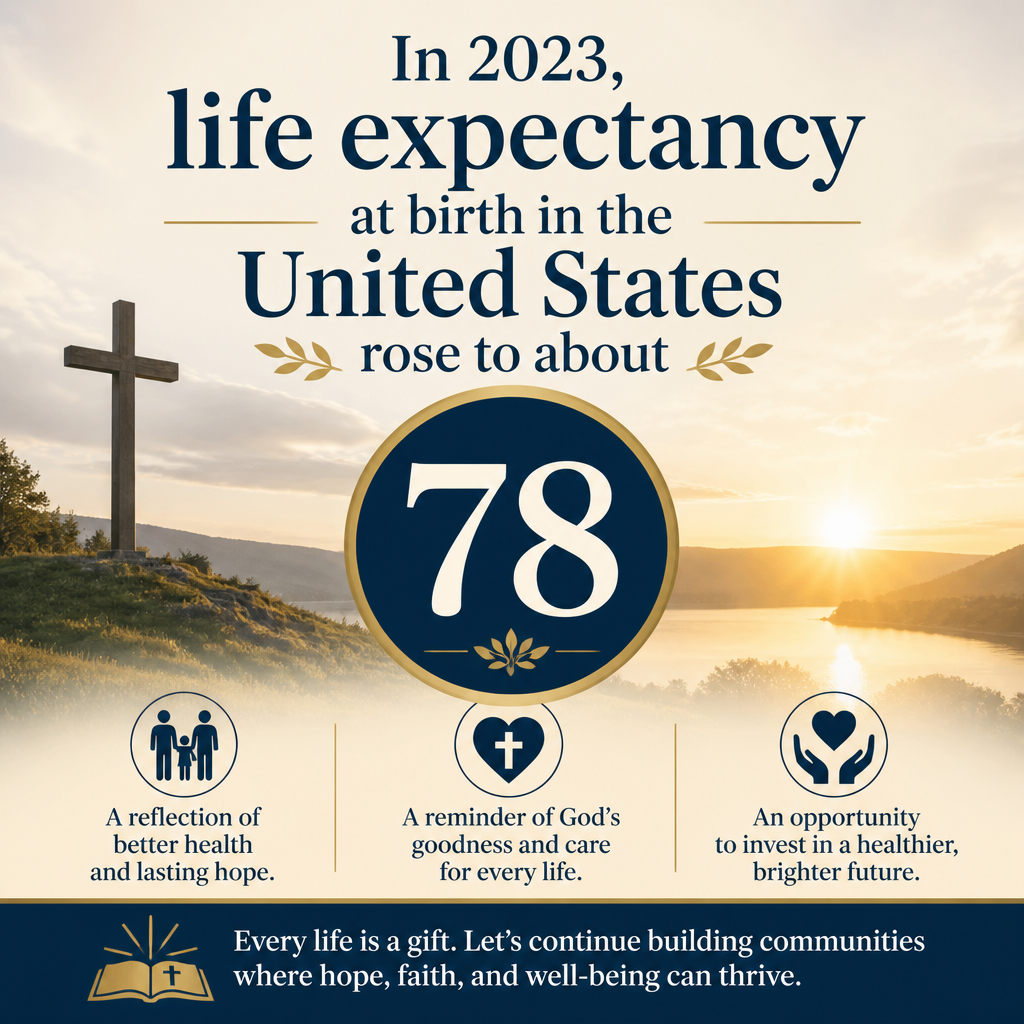
American donors are also living longer, which increases the number of years a ministry may be paying an annuity. The actuarial assumptions in CGA pricing and reserve policies exist because longevity risk is real. In 2023, life expectancy at birth in the United States rose to about 78.4 years. CDC National Center for Health Statistics
A disciplined alternative to emotional giving
Bible engagement ministries can attract powerful donor emotion, especially when stories involve persecution, underground distribution, or the first Bible in a heart language. Those stories may be true and still require governance discipline. A CGA pushes both donor and ministry toward clarity: the gift is documented, the obligation is measurable, and the organization’s financial management must sustain the promise.
Across our verification work at Most Trusted, we observe that ministries that communicate clearly about planned giving—without pressure tactics—tend to have healthier governance patterns. They usually separate gift acceptance from pastoral language, publish policies that limit complexity they cannot manage, and invite donors to seek independent counsel before signing.
4. Due diligence that honors both the donor and the ministry
What donors should examine before issuing a long-term obligation
Because a gift annuity is only as reliable as the issuing organization, due diligence is part of Christian love. It protects the donor, but it also protects the ministry from accepting obligations that could become burdensome under market stress or leadership failure. The New Testament consistently connects integrity with public witness; reproach over money is not a private matter.
We recommend donors examine several areas before establishing a CGA with a Bible engagement ministry:
- Audited financial statements and the auditor’s opinion, with attention to liquidity and net assets.
- Reserve practices for gift annuities and compliance with relevant state regulations.
- Board governance, including conflict-of-interest disclosures and independence.
- Transparency in how annuity remainders are treated and whether they are restricted.
- Gift acceptance policies that reflect discipline around complex assets and donor intent.
When donors want a structured way to evaluate these elements across organizations, our team applies The Most Trusted Standard, a 15-criteria framework across Faith Foundation, Financial Integrity, Governance and Leadership, and Transparency and Effectiveness. The point is not to replace spiritual discernment, but to complement it with verifiable evidence that stewardship is being practiced in the light.
Questions that reveal whether a CGA program is mature
Some ministries run their CGA program directly; others partner with a foundation or a third-party administrator. Either can be appropriate. The question is whether the arrangement is properly governed and disclosed. Donors should ask who is legally obligated to make payments, where assets are held, and what happens if the ministry merges, dissolves, or experiences financial distress.
Christians genuinely disagree about how much complexity is appropriate in generosity. Some prefer simple cash gifts; others see estate tools as a faithful way to plan wisely and give generously. A CGA sits in the middle: it is neither speculative nor simplistic. That middle position requires especially clear communication from ministry leaders.
For donors who want broader context on the ministry landscape itself, Bible Study and Engagement Ministries is a helpful starting point for understanding common models, risks, and markers of credibility in this field.
5. How to structure a charitable gift annuity faithfully
Choosing the asset and the annuitant with clarity
Most gift annuities are funded with cash or appreciated securities. Funding with appreciated securities can reduce immediate capital gains relative to selling the asset first, but the tax treatment is nuanced. Donors should consider whether the asset is best used for a CGA or whether other tools—such as a charitable remainder trust—fit better when the asset is illiquid or highly appreciated.
It is also common to name one or two annuitants. Some donors use a CGA to provide for a surviving spouse. Others name an older parent. Ministries may impose minimum age requirements, minimum gift sizes, and limits on the number of annuitants to control longevity risk and administrative complexity.
Aligning expectations with mission and with prudence
A faithful CGA decision holds together at least three aims: stable income, meaningful future ministry support, and a clear conscience about whether the issuing organization can sustain the promise. Donors should not be embarrassed to ask hard questions. In a sector where reputational harm can hinder gospel work, prudent inquiry is not cynicism; it is stewardship.
Planned giving can also become a point of spiritual reflection. Jesus warned that treasure can master the heart, but he also commended wise stewardship. The objective is not to avoid structure, but to ensure that structure serves obedience rather than control. When a CGA is established with clarity, it can be one way to express confidence that the Word of God will continue its work beyond our lifetime.
Donors considering a range of options beyond CGAs may also benefit from reviewing Legacy and Planned Giving for Bible Study and Engagement Ministries, where the broader set of tools and trade-offs can be weighed in light of ministry realities.
FAQs for How charitable gift annuities work for Bible engagement ministries
Are charitable gift annuities guaranteed?
A charitable gift annuity is backed by the issuing charity’s general assets, not by the FDIC or any federal insurance program. Some states regulate CGAs and require reserve levels, but the core assurance is the charity’s financial strength and governance. Donors should review audited financials and ask how reserves are managed before relying on an annuity payment for essential expenses.
What questions should we ask a Bible engagement ministry before establishing a gift annuity?
We recommend asking who is legally responsible for payments, whether the ministry follows the American Council on Gift Annuities suggested rates, how annuity reserves are invested and reported, and how the ministry handles gift acceptance and donor intent. It is also reasonable to ask whether the organization has been reviewed against an external framework such as The Most Trusted Standard, since long-term obligations deserve more than informal assurances.
Stewardship that endures beyond our years
A charitable gift annuity can be a sober, constructive instrument for Christian donors who want income stability and a lasting investment in Bible engagement ministries. When donors pair that instrument with rigorous due diligence and a theology of stewardship shaped by Scripture, the result is not merely a financial plan. It is a form of testimony: that God’s Word is worthy of careful, enduring support, and that integrity in money matters is part of the Church’s public faithfulness.



