
Why rescue missions set sobriety and curfew expectations is a question donors should not treat as a minor operational detail. These expectations sit at the intersection of pastoral care, public safety, trauma-informed practice, and the gospel’s claim that human beings are capable of real change under God.
For many Christian donors, the tension is familiar: the church is called to mercy, and yet programs that serve people in crisis sometimes require rules that feel strict. The harder question is whether sobriety requirements and curfews are expressions of control or expressions of love ordered toward restoration. The answer is rarely simple, but it is assessable.
Order is not the opposite of mercy
Rules can protect the vulnerable in a shared environment
Rescue missions are not only distributing meals; many are operating congregate shelter, transitional housing, and recovery programming under one roof. In that setting, a single resident’s intoxication can quickly become another resident’s danger. Curfews reduce late-night traffic that can bring in drugs, coercive relationships, and conflict. Sobriety expectations reduce volatility and help staff keep a predictable environment for women, children, and medically fragile guests.
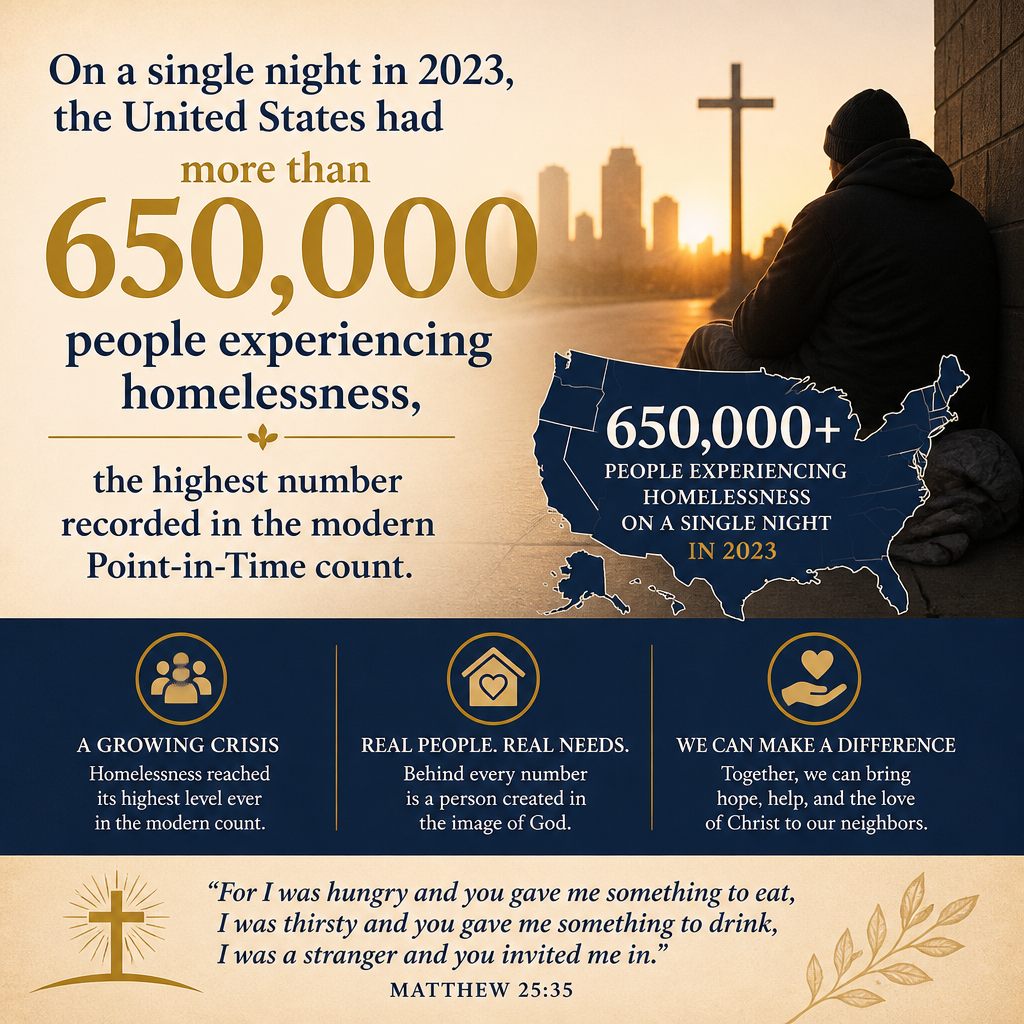
These requirements are also shaped by the real scale of need. On a single night in 2023, the United States had more than 650,000 people experiencing homelessness, the highest number recorded in the modern Point-in-Time count U.S. Department of Housing and Urban Development. In that landscape, missions often serve as high-volume, low-barrier entry points into safety—yet even “low-barrier” does not mean “no standards.”
Christian ministry is accountable to embodied love
Scripture’s call to mercy is not sentimental. The Good Samaritan’s compassion included concrete, embodied action: binding wounds, providing transport, paying for ongoing care. In a rescue mission, love for neighbor includes the moral responsibility to keep shared spaces predictable enough that fearful people can sleep, staff can intervene early, and guests can begin to trust again.
Christians genuinely disagree about how strict these expectations should be and how quickly they should be enforced. A donor’s task is not to demand a one-size-fits-all rulebook, but to ask whether a mission’s rules are ordered toward protection and restoration rather than exclusion or institutional convenience.

Sobriety expectations are often about treatment readiness
Many missions are running recovery programming, not only shelter
Some rescue missions function as acute shelter only. Many, however, anchor their work in discipleship-based recovery programs, transitional housing, and employment preparation. In those contexts, sobriety expectations are not merely behavioral; they are about the conditions necessary for counseling, group accountability, and meaningful participation in work therapy or job training.
Addiction is complex, and serious ministries do not reduce it to a single spiritual failure. Yet neither does Scripture treat the body as irrelevant to discipleship. The biblical picture of repentance includes turning from what destroys life, and the New Testament’s language of sobriety and self-control reflects that holiness has an embodied dimension.
Curfews can create a scaffold for stability
For a guest coming from street homelessness, a curfew can feel infantilizing. It can also provide structure for someone whose days have been dictated by crisis, exploitation, and exhaustion. Missions commonly pair curfews with early morning routines, case management appointments, and required program participation. The purpose is not to punish; it is to create repeatable rhythms that make employment and recovery more plausible.
The National Institute on Drug Abuse notes that addiction is a chronic condition with relapse risk and that treatment often requires multiple episodes and ongoing support National Institute on Drug Abuse. That reality does not negate expectations. It reframes them: missions are trying to hold a boundary while still offering a path back after failure.
Low barrier and high accountability are not mutually exclusive
Different program levels serve different stages of change
One common misunderstanding is that a ministry must choose between being “low barrier” and being “faithful” or “effective.” Many missions instead differentiate levels of engagement. A nightly emergency shelter might accept guests who are not sober but require nonviolence and basic cooperation. A residential recovery program may require sobriety and attendance because it is a therapeutic community, not simply a bed.
That distinction matters for donors assessing whether a mission is excluding people who most need help. A credible rescue mission can usually articulate: who is served at each level, why certain rules exist, and what alternatives exist when someone cannot comply on a given night.
When expectations fail, the question is what happens next
High standards without pastoral pathways can become a revolving door. Yet no standards at all can become a harm multiplier inside a communal setting. The donor question is not whether standards exist, but whether the mission’s response to noncompliance reflects both truth and grace: clear consequences, offered without contempt, with a plan for re-entry.
The When Helping Hurts framework, articulated by Steve Corbett and Brian Fikkert, has helped many Christian ministries name how poorly designed help can inadvertently deepen dependency or undermine dignity. In this context, expectations can be one way a mission resists “doing for” what guests can begin to do with support—provided the mission also supplies real case management, recovery resources, and spiritual care.
What donors should verify before funding strict expectations
Rules can be righteous or merely convenient
Some missions set sobriety and curfew expectations because they are aligned with therapeutic best practice and a coherent theology of restoration. Others set them because they inherited them, because they lack staff capacity, or because they want to minimize disruption even at the cost of serving the most complex cases. Donors should not assume motives. We should ask for evidence.
Across our verification work at Most Trusted, we observe that ministries with strong governance and transparent reporting tend to articulate their program logic clearly: how rules connect to outcomes, how exceptions are handled, and how spiritual care is integrated without coercion. That kind of clarity is not marketing polish; it is a sign that leadership has done the difficult work of aligning mission, method, and accountability.
Practical questions that illuminate integrity
Donors do not need to become shelter operators to ask meaningful questions. A short set of questions can expose whether expectations are serving people or screening them out:
- What is the difference between emergency shelter rules and residential program rules, and why?
- What happens when a guest arrives intoxicated: refusal, referral, medical support, or an alternative space?
- How are staff trained for de-escalation, trauma, and relapse?
- How does the mission measure outcomes beyond bed-nights, such as housing stability and sobriety supports?
- How does the mission handle discipline without humiliation, and how does it protect women and minors?
For donors seeking broader context on how rescue missions operate within the wider ecosystem of street outreach, shelter, and recovery, see Rescue Missions and Homeless Outreach.
The spiritual stakes of boundaries
Discipleship involves invitation and discipline
Christian ministry is not only the distribution of goods; it is a witness to the Kingdom of God. That witness includes welcome to sinners and outsiders, and it also includes the moral seriousness of repentance and new life. In the New Testament, grace is never permission to remain unchanged. Rescue missions that frame sobriety and curfew expectations as part of a larger call to healing and discipleship are working within a recognizably biblical moral universe.
At the same time, trauma and mental illness complicate the picture. Some guests experience symptoms that mimic intoxication. Some self-medicate because the alternative feels unbearable. A mission’s spiritual credibility is tested in how it handles those complexities: whether it can maintain boundaries while making careful distinctions, offering referrals, and refusing to treat people as problems to be managed.
Donor confidence grows when ministries are transparent
The donor’s responsibility is stewardship, not suspicion. Yet stewardship requires more than inspirational stories. Financial integrity, governance, and measurable effectiveness matter because they protect the people being served and they protect the witness of Christian compassion.
Most Trusted evaluates ministries against The Most Trusted Standard, a 15-criteria framework spanning faith foundation, financial integrity, governance and leadership, and transparency and effectiveness. For donors who want to compare models across the broader landscape, see Faith-Based Programs in Homeless Outreach.
FAQs for Why rescue missions set sobriety and curfew expectations
Do sobriety requirements exclude the people who need help most?
They can, depending on how they are designed and how many alternatives a mission provides. Many effective missions differentiate between emergency shelter access and longer-term residential programming, allowing low-barrier entry while reserving stricter expectations for treatment-oriented environments. Donors should ask what happens when someone is not sober at intake and whether the mission has referral relationships for detox, medical care, or other safe options.
Are curfews primarily about control?
Curfews can be used poorly, but in many missions they function as a safety boundary and a stability scaffold. They reduce late-night conflict and contraband risk and help staff maintain predictable routines that support case management, employment, and recovery programming. The key question is whether the curfew is paired with dignifying care: clear communication, consistent enforcement, and realistic pathways for guests who work late or face complex constraints.
Boundaries in service of restoration
Sobriety and curfew expectations in rescue missions are best understood as boundaries aimed at protecting the vulnerable and creating conditions where recovery and discipleship can take root. Donors should neither romanticize strictness nor dismiss it. The stewardship task is to fund ministries whose expectations are transparent, theologically coherent, and demonstrably ordered toward the restoration of people made in God’s image.



