
Supporting Christian camp staff and counselors is one of the most direct ways donors can strengthen a ministry that often reaches young people at a spiritually formative moment. Camp work is intensely relational, and therefore intensely dependent on the maturity, stability, and doctrine of the men and women entrusted with children for a week, a summer, or an entire year. When staffing is thin, under-supported, or poorly supervised, camp ministry becomes vulnerable in predictable ways—burnout, uneven discipleship, and heightened safeguarding risk.
Most Christian donors already sense the stakes. Many give because a camp shaped their own faith, because they want the next generation to hear the gospel without dilution, or because they see camps as a rare environment where Scripture, worship, and peer life are integrated rather than compartmentalized. The harder question is what faithful, discerning support looks like when camps rely on seasonal labor, tight margins, and a mix of tuition, fundraising, and scholarships.
Why staffing is a theological and not merely operational question
Christian camps do not simply run programs. They form people. In Deuteronomy 6, Israel is charged to impress God’s words on children in the ordinary rhythms of life—walking, sitting, rising. Camps intensify that rhythm. Counselors and staff become the “walking along the road” presence, modeling prayer, repentance, confession, and patience in close quarters. That formation is not accomplished primarily by a stage or a curriculum; it is carried by the character of staff.
What this means in practice is that “supporting staff” is not reducible to wages. It includes the conditions under which staff can serve without compromise: adequate supervision, clear doctrine, accountability, appropriate housing, and a culture where sin is confessed rather than concealed. Donors who care about gospel fruit should care about the inputs that make faithful ministry plausible.
The hidden cost of under-resourced discipleship labor
Many camps have inherited a model that assumes young adults can sustain high emotional output on low pay, minimal rest, and a thin support system. Some camps do this from necessity; others from habit. Either way, the result can be a quiet form of extraction. The counselor who is always “on,” always cheerful, and always available may be celebrated, but that dynamic can easily collapse into spiritual performance and eventual burnout.
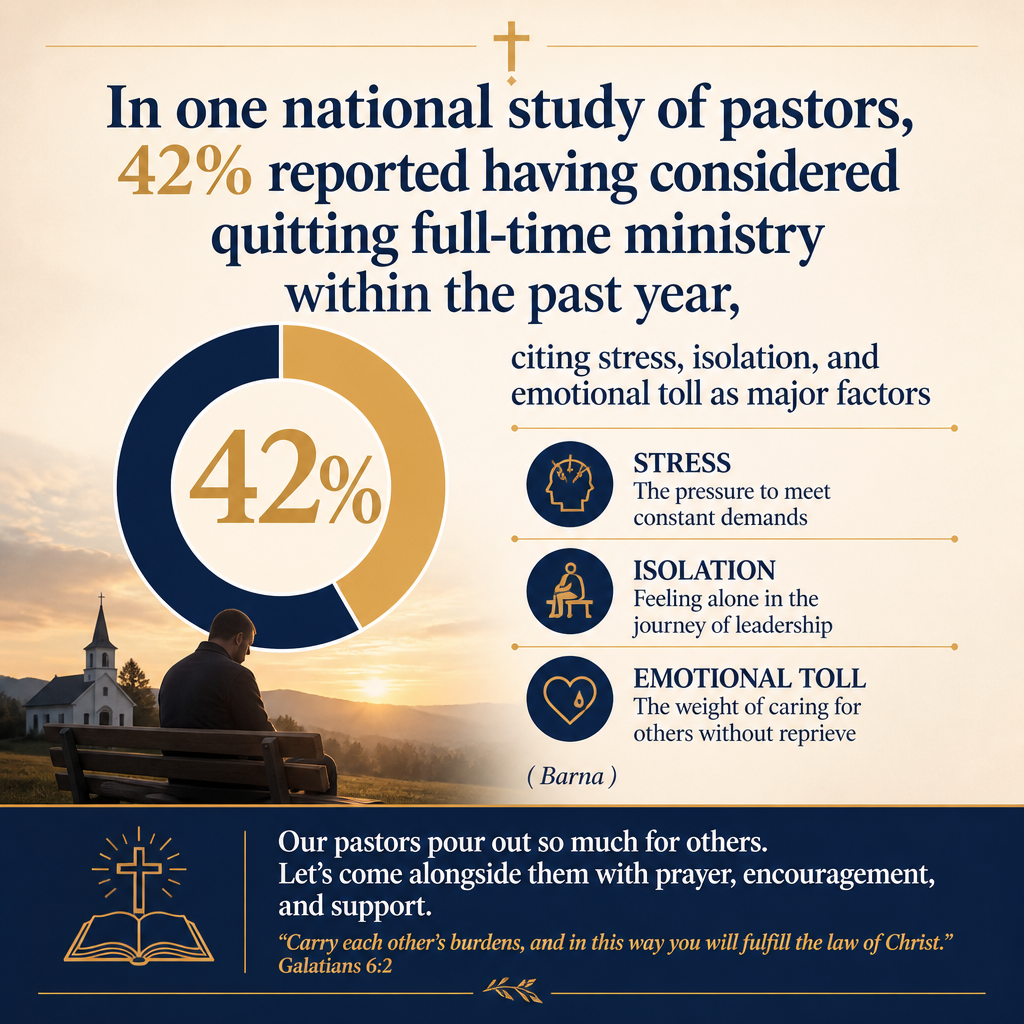
Even outside camp settings, burnout is not a theoretical concern in Christian service. In one national study of pastors, 42% reported having considered quitting full-time ministry within the past year, citing stress, isolation, and emotional toll as major factors (Barna). Camps differ from churches, but they draw from similar human limits: prolonged hours, pastoral care demands, and a steady stream of relational need.
Safeguarding is inseparable from staffing health
Donors sometimes treat child protection as a compliance checklist. Responsible camps treat it as a moral duty rooted in Jesus’ severe warnings against causing little ones to stumble. Healthy staffing levels and well-supported leadership reduce the temptation to cut corners in supervision, ignore warning signs, or place underprepared young adults in high-responsibility roles without adequate oversight.
Christians genuinely disagree about how much structure is “too much” for a ministry environment, especially in contexts that value spontaneity and relational warmth. But camps that take Scripture seriously should be the first to insist that joy and safety are not competitors. They are friends.

How Christian camps typically staff and where donors can strengthen the system
Most camps operate with a year-round core team and a large seasonal workforce. The seasonal layer includes counselors, activity specialists, kitchen staff, maintenance, lifeguards, and often a worship or program team. Hiring windows are short, applicant pools are uneven, and the work is physically and emotionally demanding. These realities create pressure points that donors can address with targeted support.
Seasonal hiring creates predictable vulnerabilities
When a camp must fill dozens—or hundreds—of roles for a few months, the risk is not only that positions remain unfilled. The larger risk is that screening and training become hurried, reference checks become shallow, and leaders accept “good enough” because the calendar will not wait. A donor who funds staffing can unintentionally incentivize speed over discernment unless their giving is paired with clear expectations about hiring rigor.
Well-run camps counter this with disciplined processes: defined job competencies, behavioral interviewing, multiple references, background checks where legally appropriate, and documented training. They also invest in supervisors—because a camp can have excellent counselors and still fail if unit leaders are immature, inconsistent, or unsupported.
Training is ministry formation, not a pre-season formality
Many camps provide an intensive week or two of training before campers arrive. Donors should ask what that training covers beyond games and schedule logistics. Strong camps address doctrine and spiritual authority, trauma-informed care, mandated reporting obligations, boundaries in counseling conversations, and what to do when a camper discloses abuse or self-harm. They train staff to pray with students without manipulating emotions, and to present the gospel with clarity rather than pressure.
Because camps vary in denominational commitments, donors should also clarify what “faithful teaching” means in that setting. It is reasonable for donors to ask how a camp articulates its statement of faith, how it prepares counselors to teach within it, and how leadership handles theological disagreement among staff.
Retention and leadership continuity multiply impact
Camps often experience a “rebuild summer” when returning staff numbers drop. The ministry can still be faithful, but the costs are real: less peer mentoring, more mistakes, more supervision demand, and fewer seasoned leaders who know the culture. Donors can help by funding modest retention mechanisms that keep trained staff returning—particularly for roles with high responsibility, such as cabin leadership, waterfront direction, or discipleship coaching.
Some donors are wary of paying for “overhead.” The field has corrected that misconception for good reason. In 2013, Charity Navigator, GuideStar, and the BBB Wise Giving Alliance publicly warned donors against using overhead ratios as a proxy for effectiveness, arguing that underinvestment in administration can damage results and accountability (Charity Navigator). For camps, staff development and supervision are not distractions from ministry; they are the machinery that makes ministry credible.
What it actually costs and how to give without creating dependency
Donors frequently ask what it costs to fund Christian camp staff, and the honest answer is that cost structures differ widely by geography, housing model, regulatory environment, and whether the role is seasonal or year-round. Some camps provide room and board and pay a stipend; others compete with local wages. Some expect staff to raise support like missionaries; others fund payroll through tuition and fundraising. Each model has trade-offs.
The spiritual question beneath the budget question is stewardship: whether the ministry is resourcing its workers in a way that honors the dignity of labor, avoids favoritism, and refuses the quiet assumption that “young people can suffer for the gospel” means “young people can be underpaid without concern.” Scripture’s warnings about withholding wages (James 5) should shape a donor’s conscience as much as a camp’s spreadsheet.
Direct sponsorship can be faithful if it is accountable
Sponsoring a specific staff member can create a meaningful connection. It can also create misaligned incentives if the arrangement bypasses camp oversight or if staff feel pressure to perform for donors. The strongest sponsorship models keep the camp, not the individual, as the accountable steward of funds while still allowing personal relationship and prayer support.
Donors should clarify how designated gifts are handled. Are they restricted in writing? What happens if the staff member leaves mid-season? Does the camp have a policy for reassigning restricted funds consistent with donor intent? A mature ministry welcomes those questions because it protects both the donor and the staff member from confusion and disappointment.
Fundraising can distort ministry when it becomes a survival mechanism
Some camps rely heavily on staff fundraising, especially for discipleship-focused roles. Done well, it can teach young leaders to invite the church into shared mission, similar to historical missionary support models. Done poorly, it becomes a survival mechanism that rewards personality over calling and shifts attention from campers to constant donor cultivation.
The field has long recognized a related organizational risk: chronic underfunding can trap nonprofits in a cycle of short-term fixes that undermine long-term health. The “Nonprofit Starvation Cycle,” described by Ann Goggins Gregory and Don Howard, explains how unrealistic expectations about low overhead lead to underinvestment and weakened outcomes over time (Stanford Social Innovation Review). Camps can fall into the same pattern when staff fundraising substitutes for sustainable financial planning.
Scholarships and staffing are linked, whether donors notice or not
Many donors love funding camp scholarships, and rightly so. But scholarships increase the need for strong staffing because they often widen the camp’s reach to families with fewer resources, less church familiarity, or more complex needs. That is not a problem; it is a mission opportunity. It simply means donors should connect access with capacity. A camp that expands scholarship enrollment without strengthening staff training and supervision will eventually experience strain in discipleship and discipline.
For donors considering larger gifts, a balanced approach is often wiser: pair camper scholarships with staff development funding, and ask leadership how the two are integrated in planning.
How donors should evaluate camp staff support through The Most Trusted Standard
Giving to staff and counselors requires a different kind of diligence than giving to a building project. The outcomes are relational and long-term, and the risks are tied to governance and culture. This is where independent verification can serve donors well. At Most Trusted, we evaluate Christian nonprofits against The Most Trusted Standard, a 15-criteria framework that examines faith commitments, financial integrity, leadership practices, and public accountability.
Not every camp will look the same, and donors should not demand uniformity where Scripture allows prudence. But certain indicators consistently separate healthy ministries from fragile ones.
Questions that reveal leadership quality
Donors should ask how the camp selects and supervises those who supervise others. A camp’s director, program leadership, and unit heads establish the moral climate staff will inhabit. Questions worth asking include: What is the span of control for each supervisor? How are concerns reported and documented? What is the process when a staff member violates boundaries? Who has authority to remove staff from contact with campers, and how quickly can that happen?
Governance also matters. Is there an engaged board with relevant expertise? Are conflicts of interest disclosed and managed? Does the camp commission independent financial reviews appropriate to its size? These are not merely business questions. They are questions about whether the ministry has built structures that restrain sin and protect the vulnerable.
What transparency looks like for staffing-funded ministries
Transparency is not the same as publicity. For camps, it means clear communication about how staff are trained, how incidents are handled, and how donor funds are used. Donors should be able to see basic financial reporting, leadership names, doctrinal commitments, and safeguarding policies without obstruction.
It also means candor about limitations. A camp that claims “nothing ever goes wrong here” is not describing reality; it is signaling that problems may be hidden until they become crises. Mature leadership communicates both the safeguards in place and the humility to learn when failures occur.
Effectiveness requires more than compelling stories
Camps rightly tell testimonies of conversion, renewed faith, and vocational calling. Those stories matter. But donors should also ask how the camp thinks about fruit over time. Does the ministry have a theology of discipleship that extends beyond an emotional week? Does it coordinate with local churches? Does it train counselors to avoid substituting camp relationships for the ordinary means of grace in the life of the church?
For donors seeking a wider view of how camps operate and how to assess them, our work frequently points back to the broader ecosystem of Christian Camps and Conferences, where staffing, safeguarding, finances, and doctrine converge in ways that reward careful stewardship.
Supporting staff in a way that honors Christ and protects the young
Supporting Christian camp staff and counselors is not sentimental giving; it is formation-minded stewardship. Donors strengthen camps most when they fund the conditions of faithful ministry: rigorous screening, serious training, adequate supervision, sustainable compensation, and governance that welcomes scrutiny. Camps that serve well are rarely those with the most elaborate programming. They are those that take holiness, safety, and discipleship seriously enough to build systems that support the people doing the work.
When donors give with that clarity, they participate in more than a summer experience. They help build a ministry environment where the gospel is proclaimed without manipulation, where staff can serve without being consumed, and where children are protected with the seriousness Christ himself demands.



